


A Community Mural Project in Bardiya, Nepal
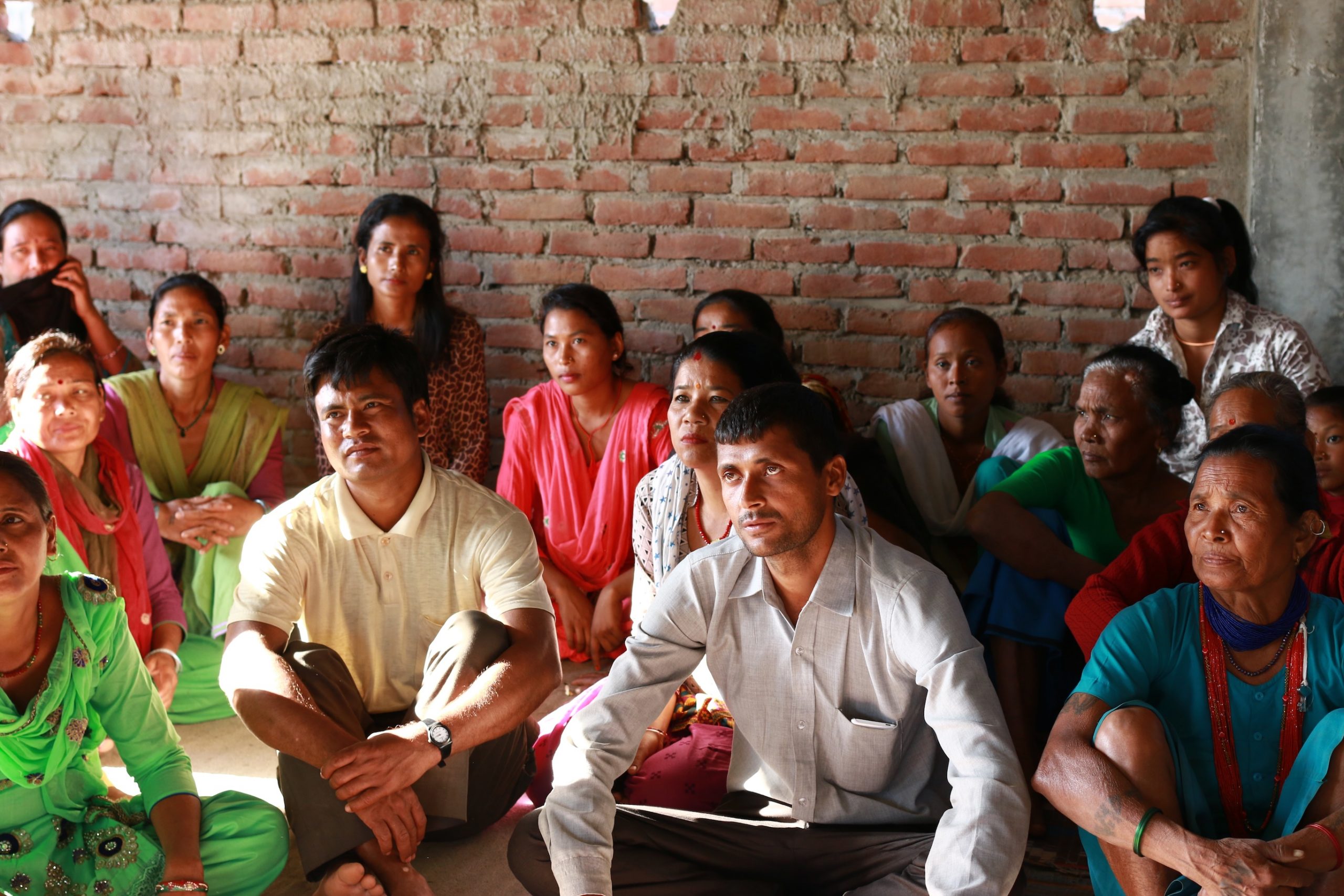
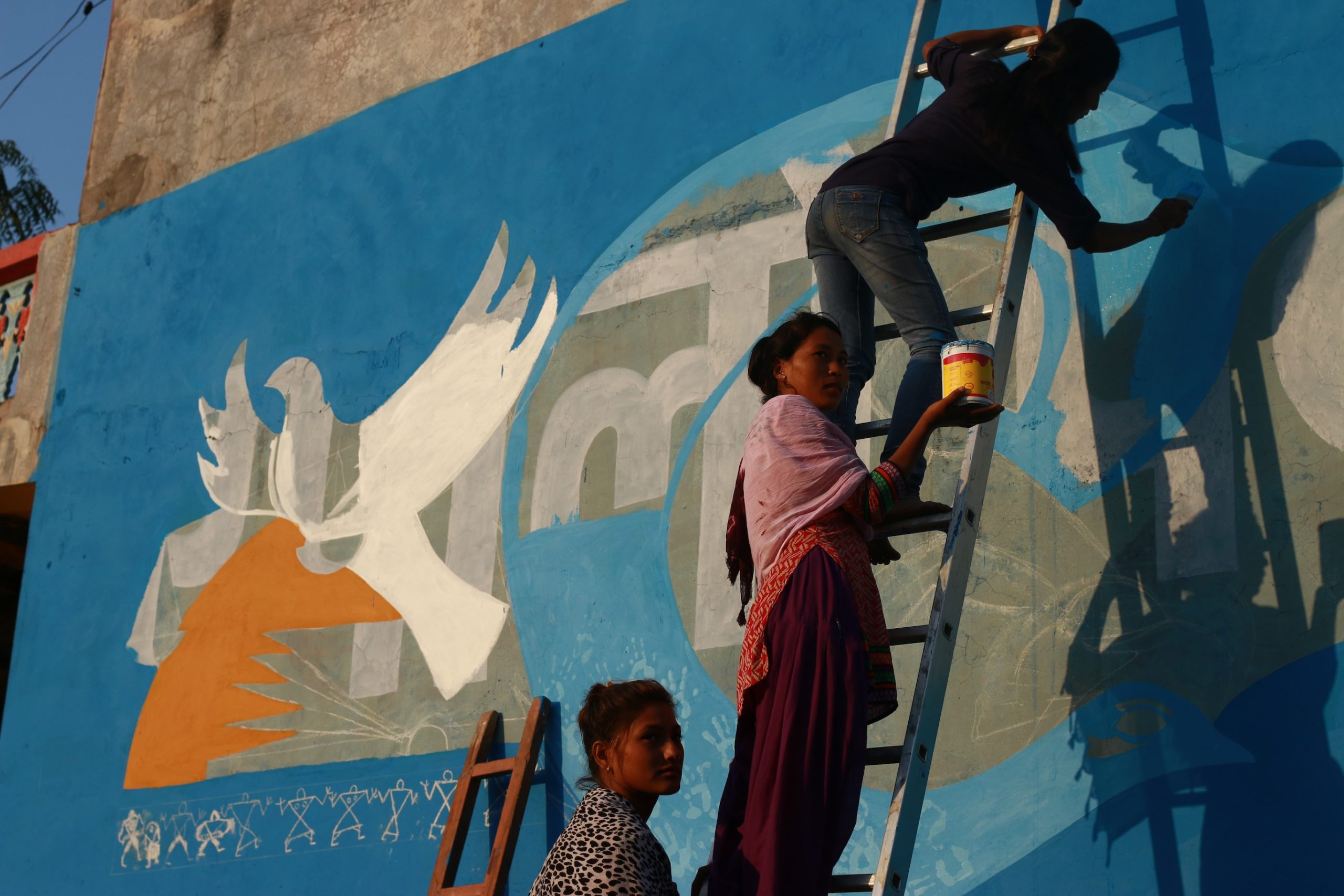
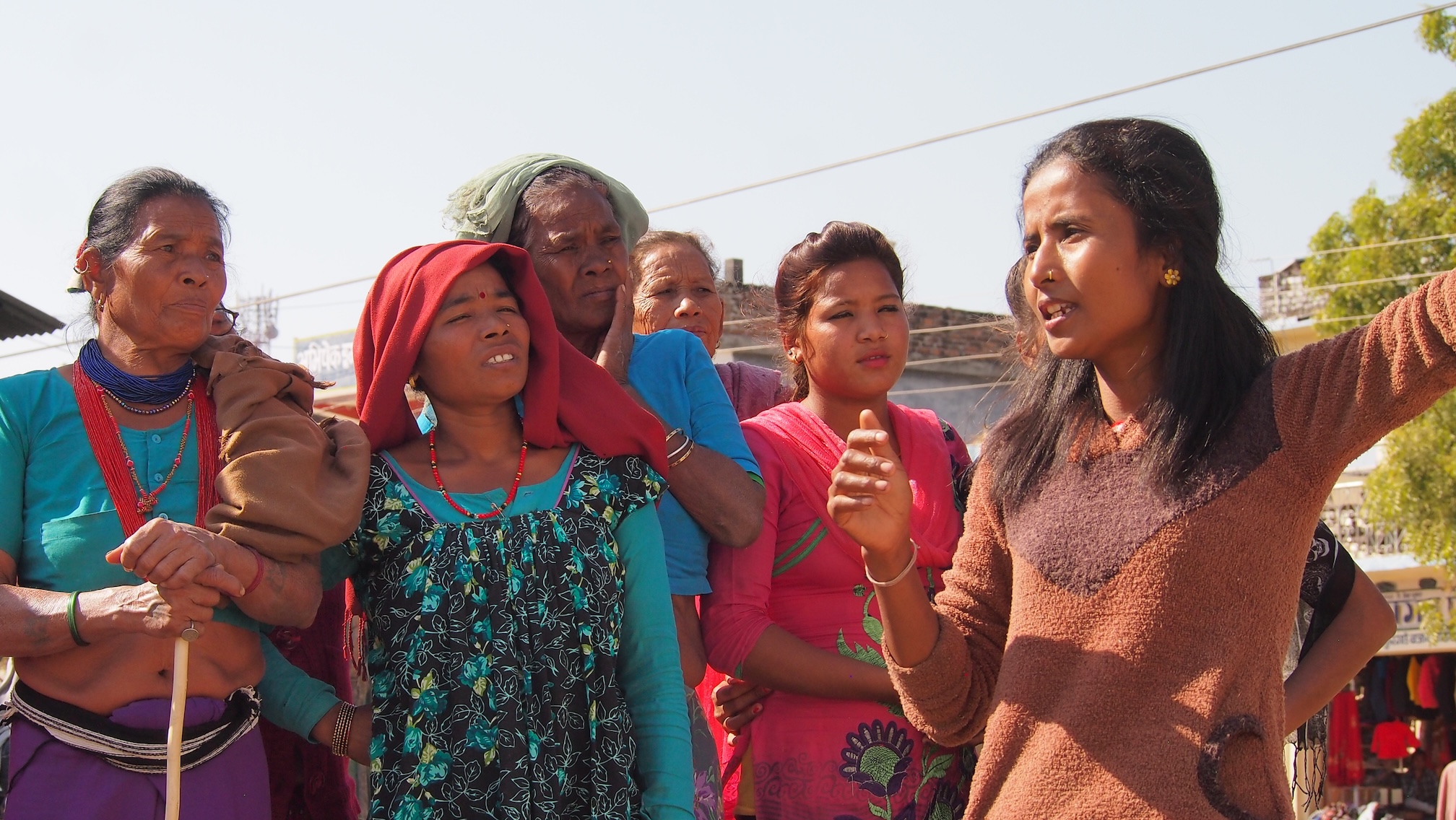
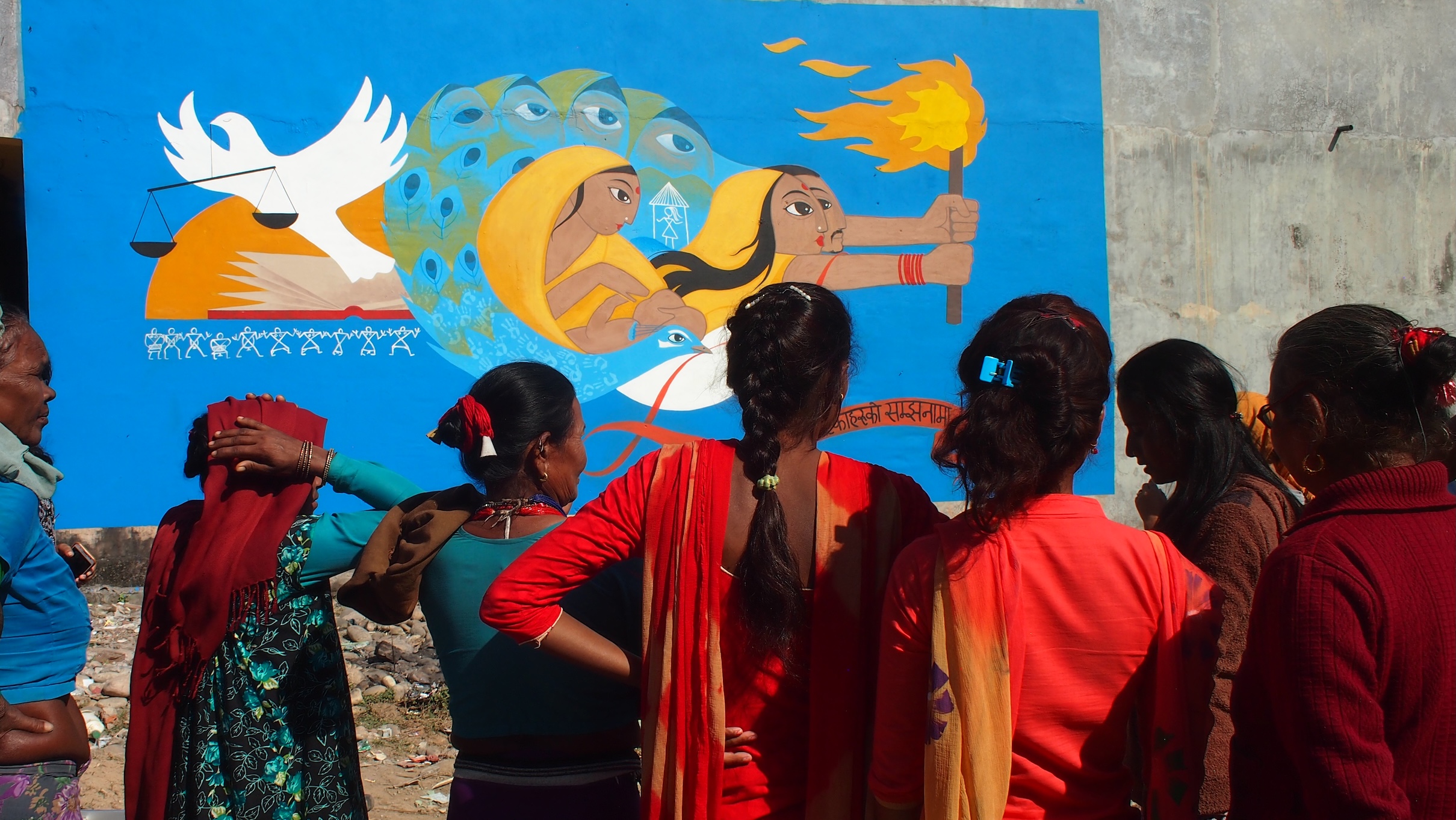
In 2010, I was invited to facilitate a community mural workshop with a group of Indigenous Tharu women from a rural village in Bardiya, western Nepal. The women, collectively known as the Families of the Disappeared, were mothers, wives, sisters and daughters of people who were forcibly disappeared during Nepal’s decade-long civil war (1996–2006).
During the conflict, more than 17,000 people were killed and around 2,500 were forcibly disappeared. Since the war ended, families of the disappeared have continued to demand answers about the fate of their loved ones. Despite repeated promises, successive governments have largely failed to prosecute those responsible or provide meaningful truth and accountability, leaving many families without closure.
As hopes for meaningful transitional justice diminished, communities increasingly turned to new forms of remembrance and public advocacy. This mural formed part of a grassroots campaign that sought to unite families from across Nepal in demanding state accountability and asserting their fundamental right to know.
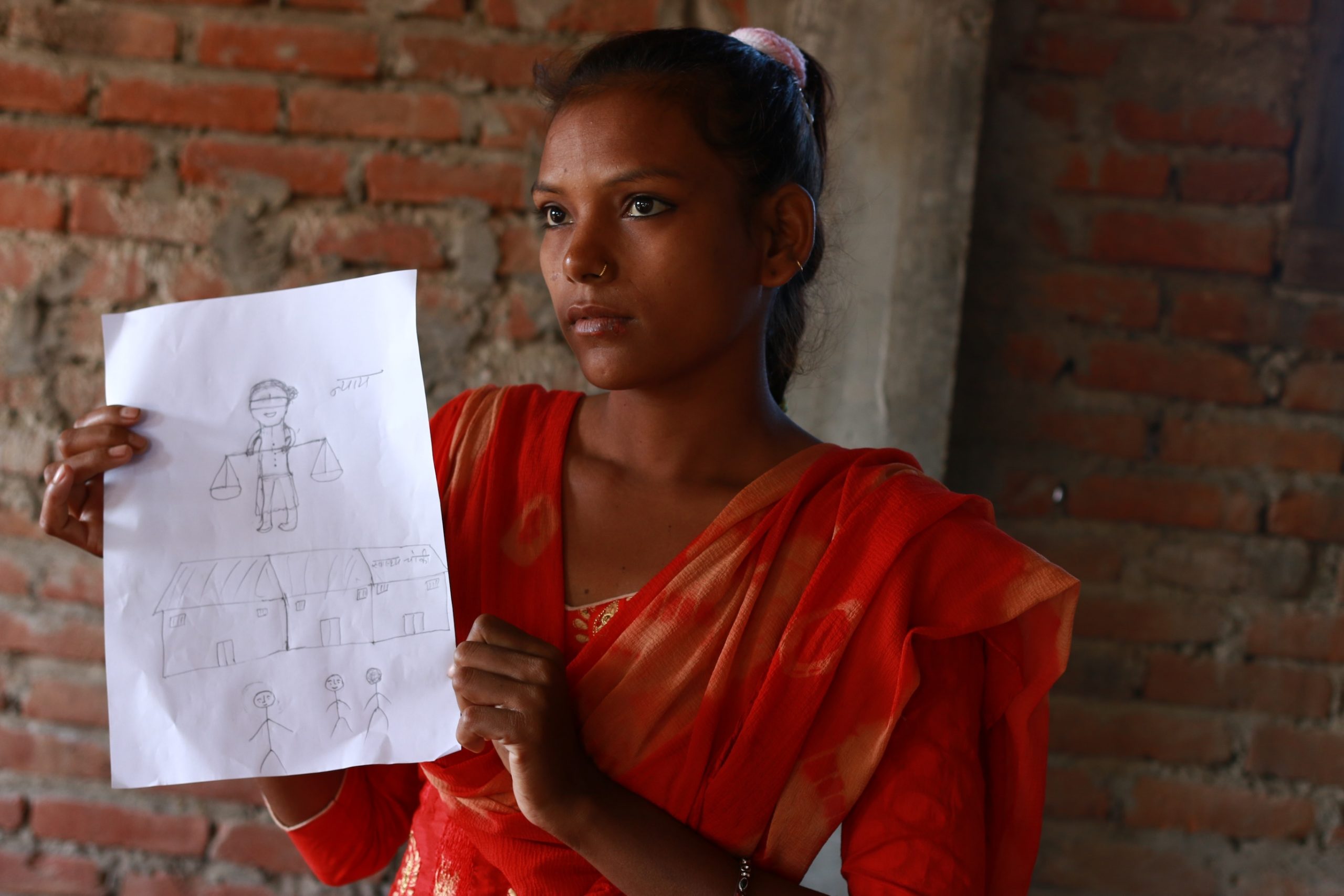
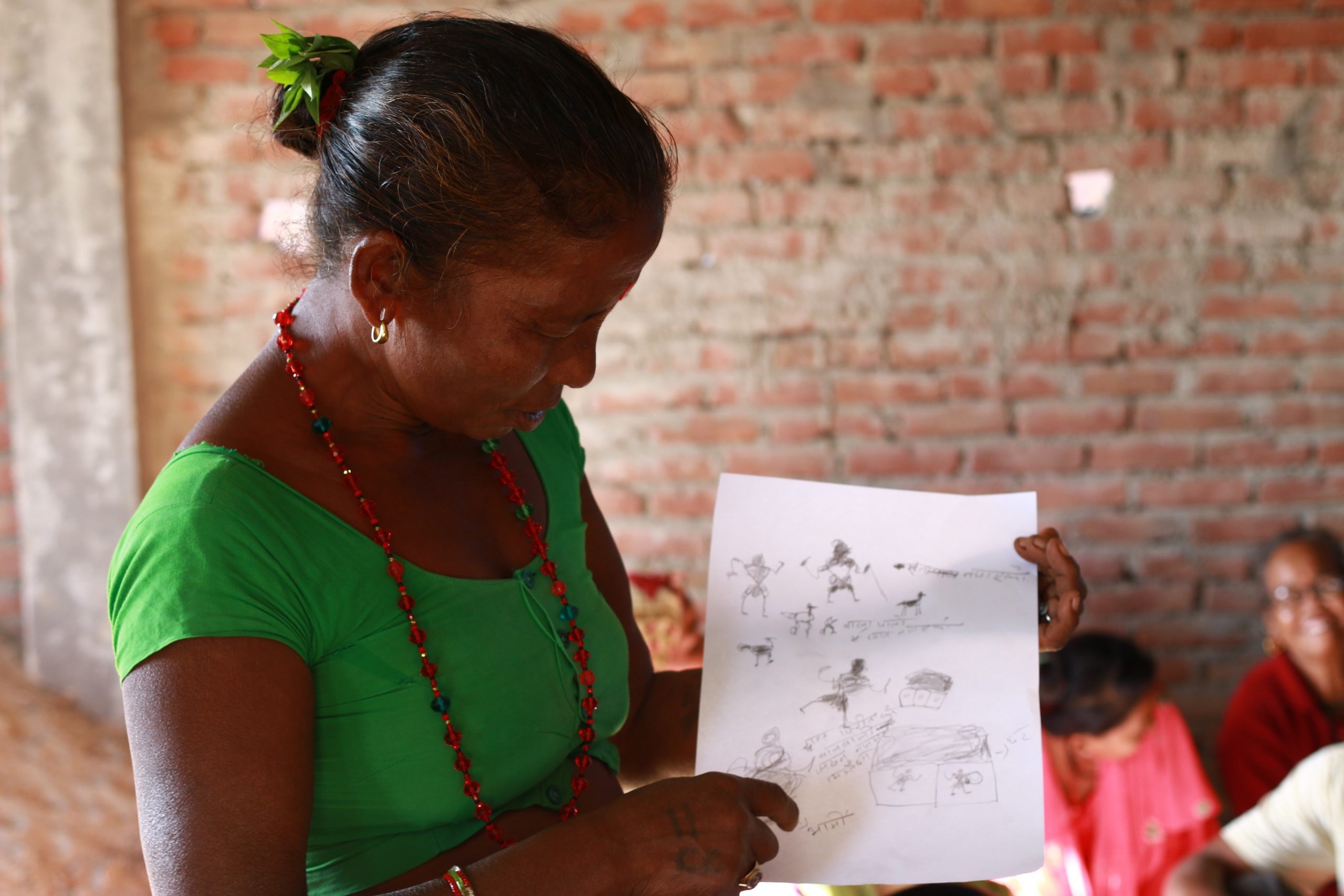
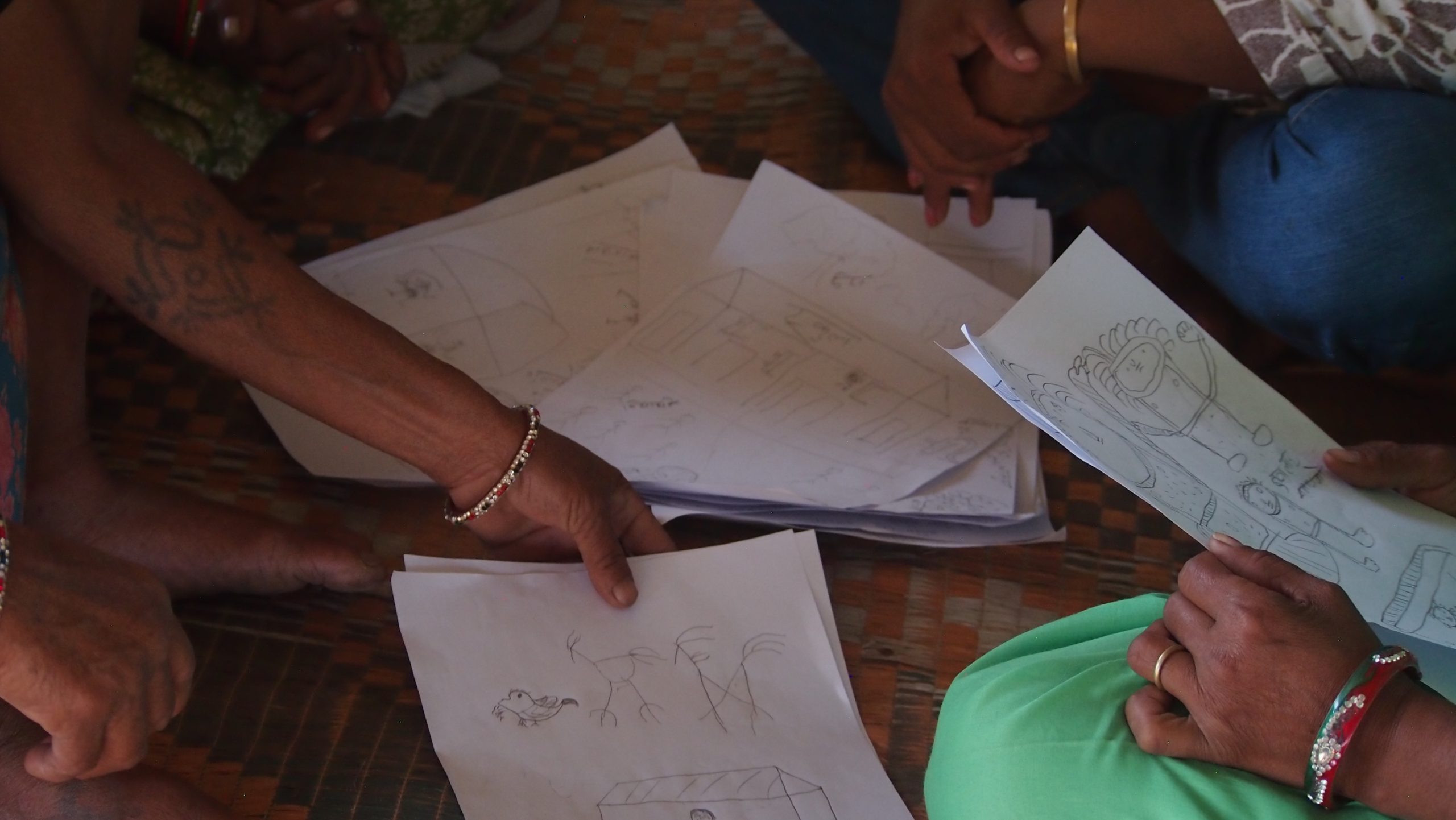
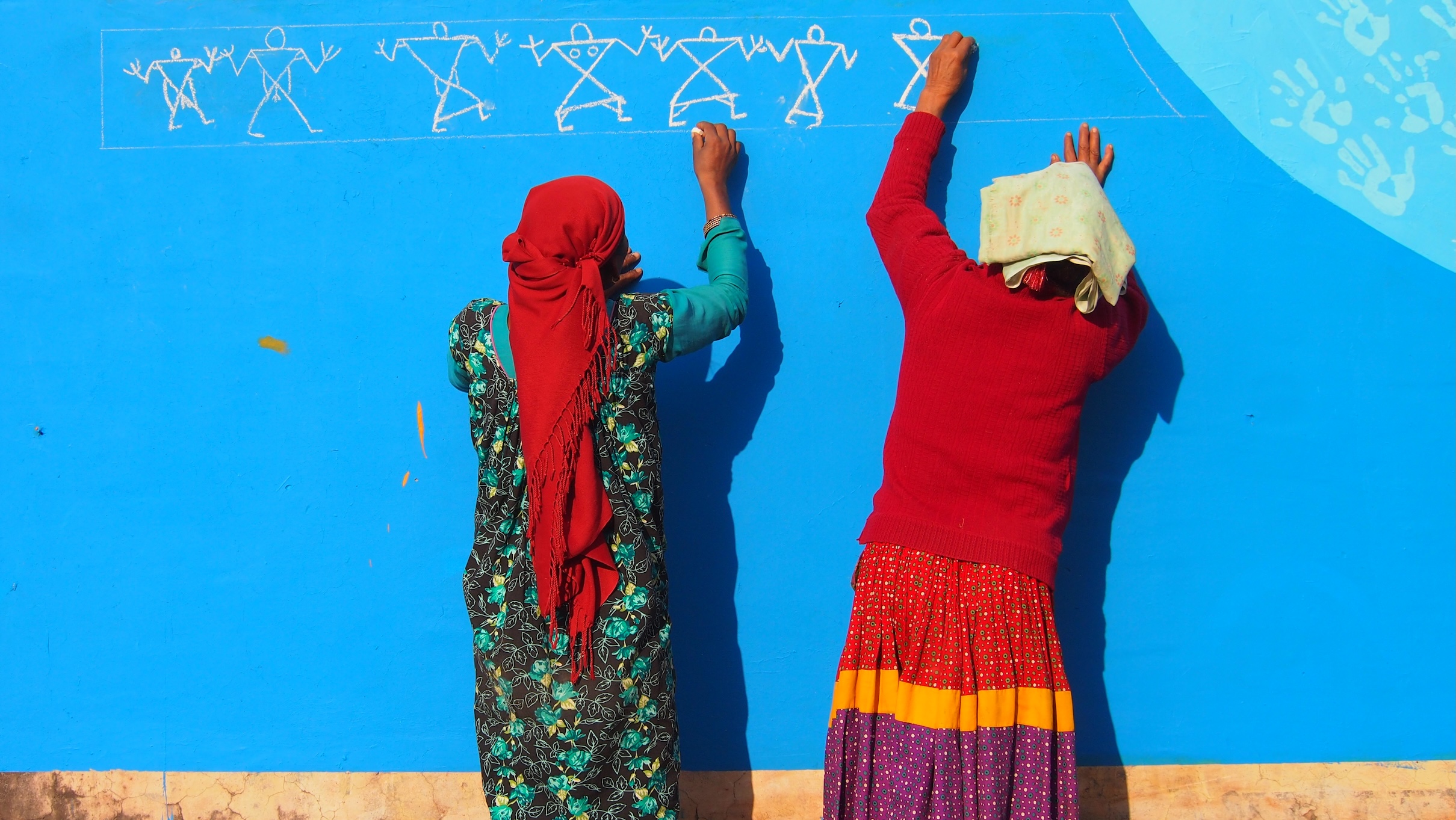
Organised by Voices of Women Media, the workshop brought together women of different ages from across the district to share their experiences. While many had little experience of drawing as a tool for storytelling, and some could not read or write, every participant contributed visually. The Tharu have a long tradition of distinctive figurative drawing, and many of the older women used this familiar visual language to depict key moments from their lives. Their drawings became an invaluable way of communicating memories that words alone could not express.
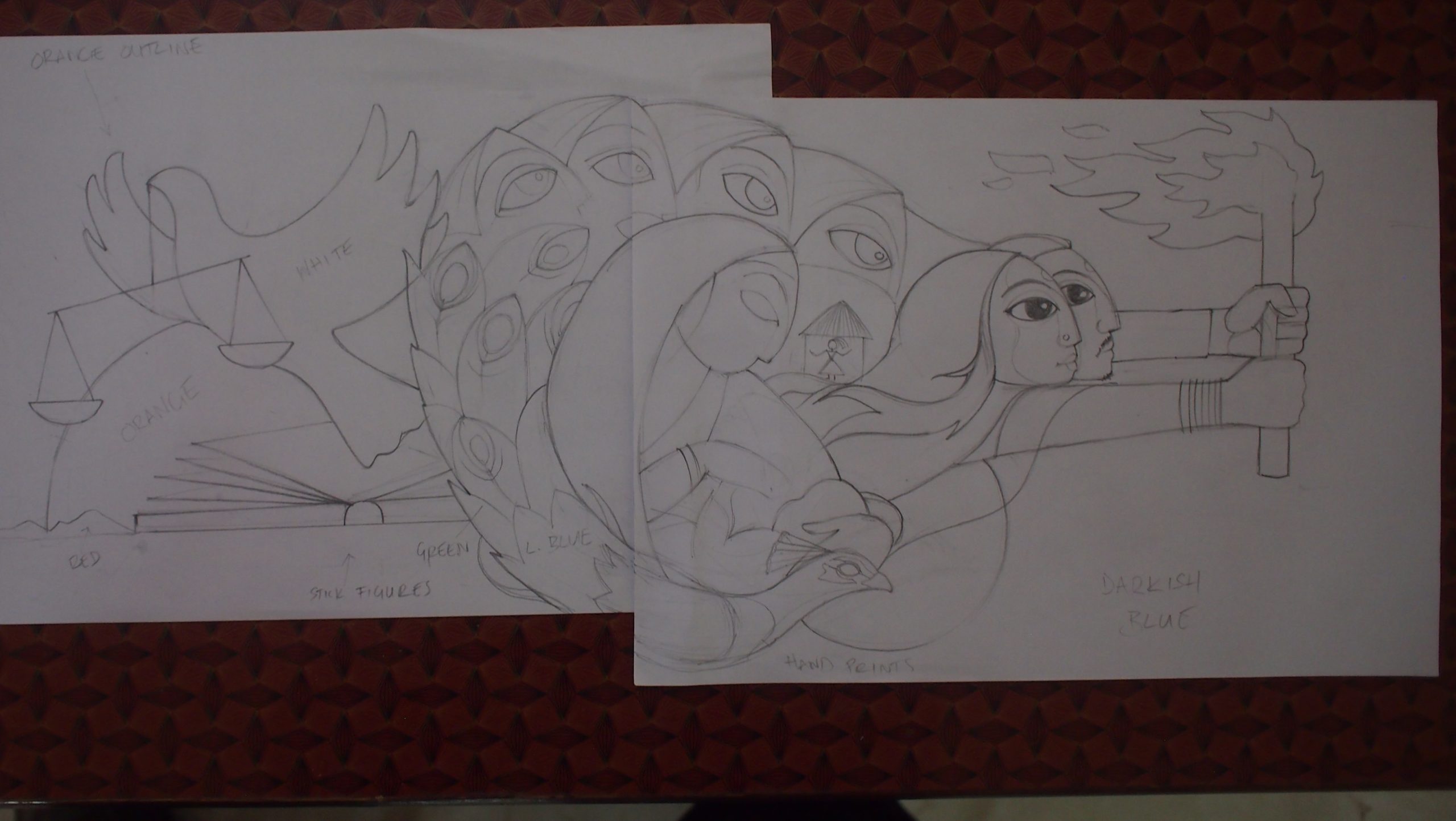
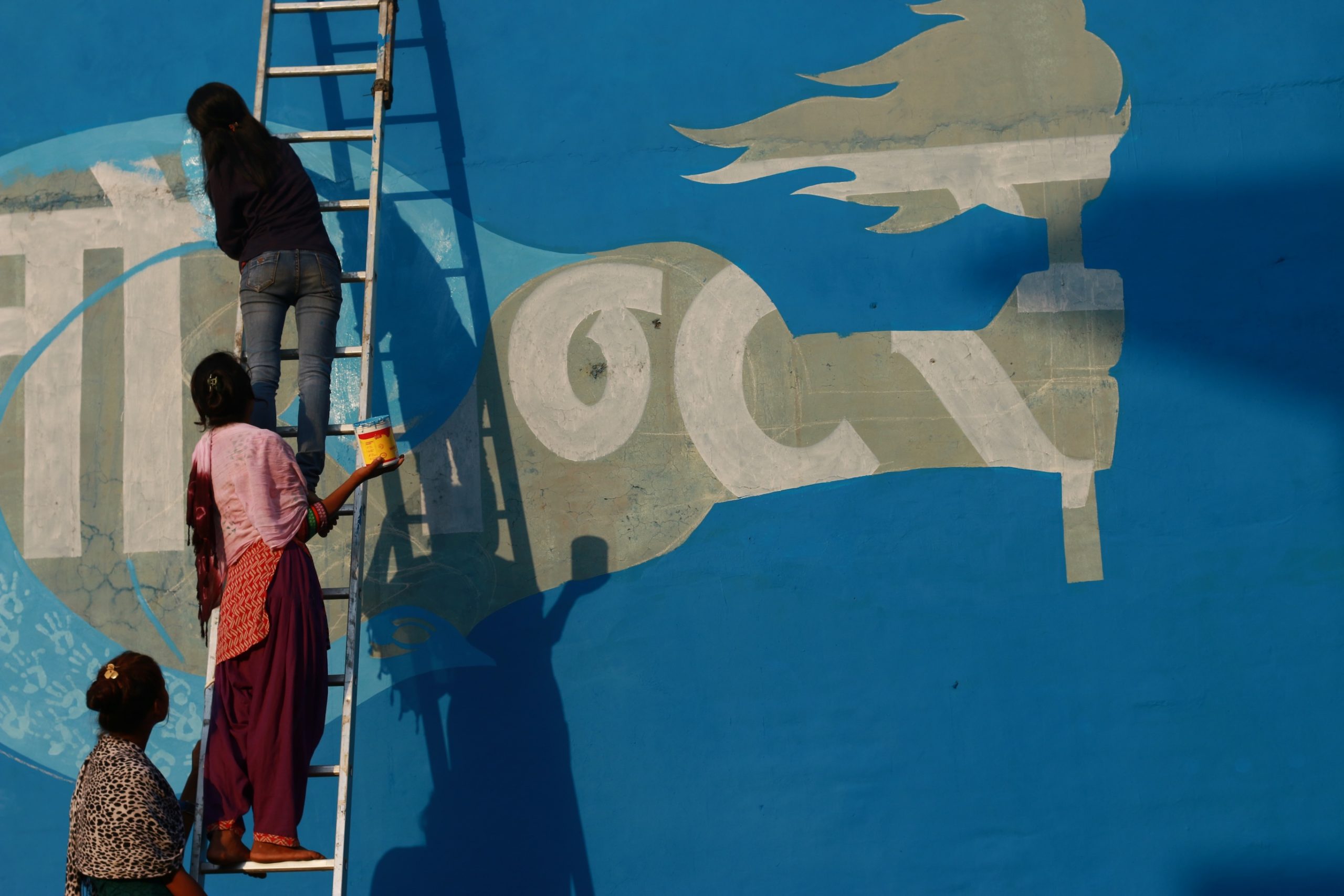
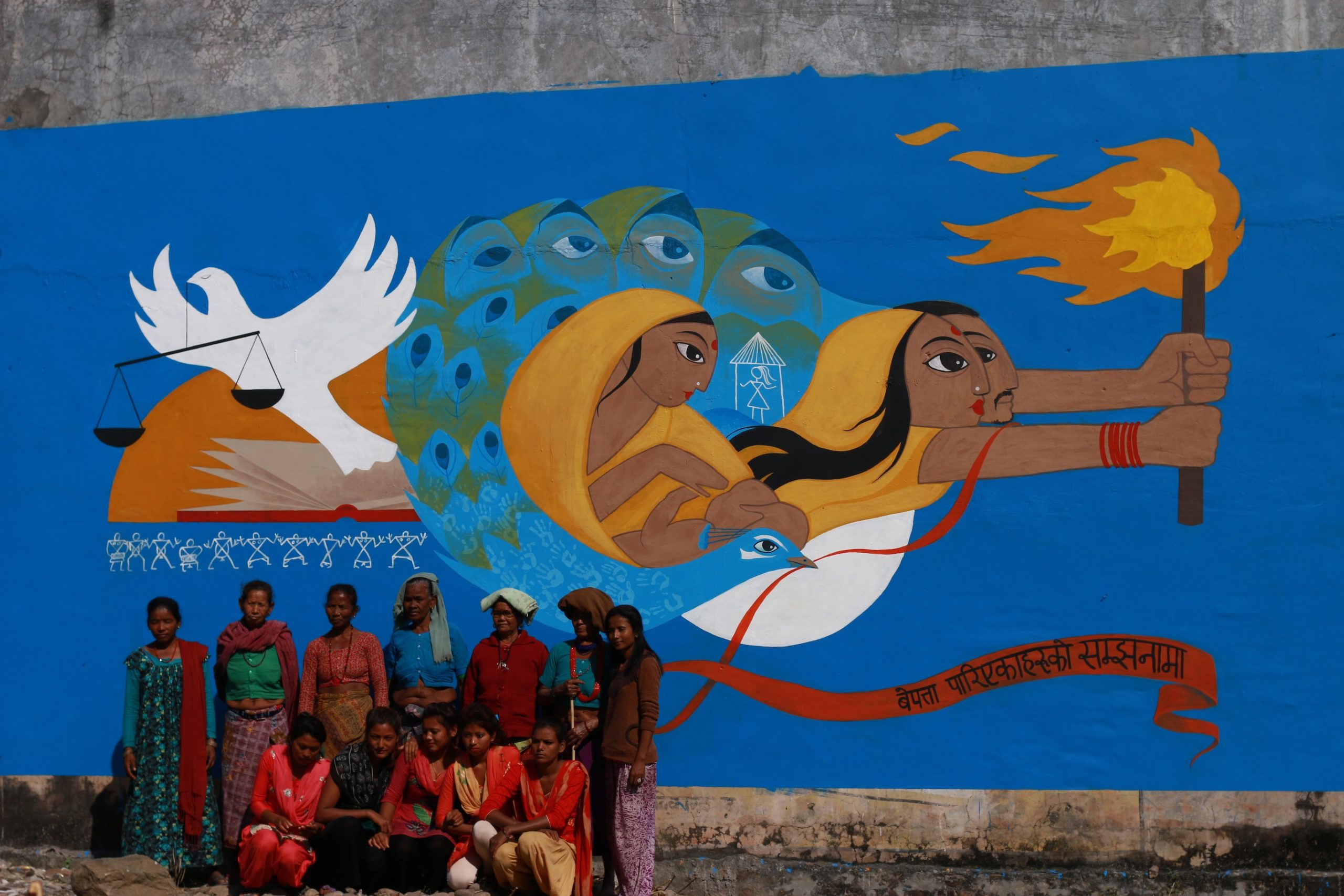
Once everyone had recorded their stories on paper, a core group of participants worked closely with me to explain the meanings behind the drawings. Together, we wove these individual experiences into a single visual narrative, which I developed into the final mural design.
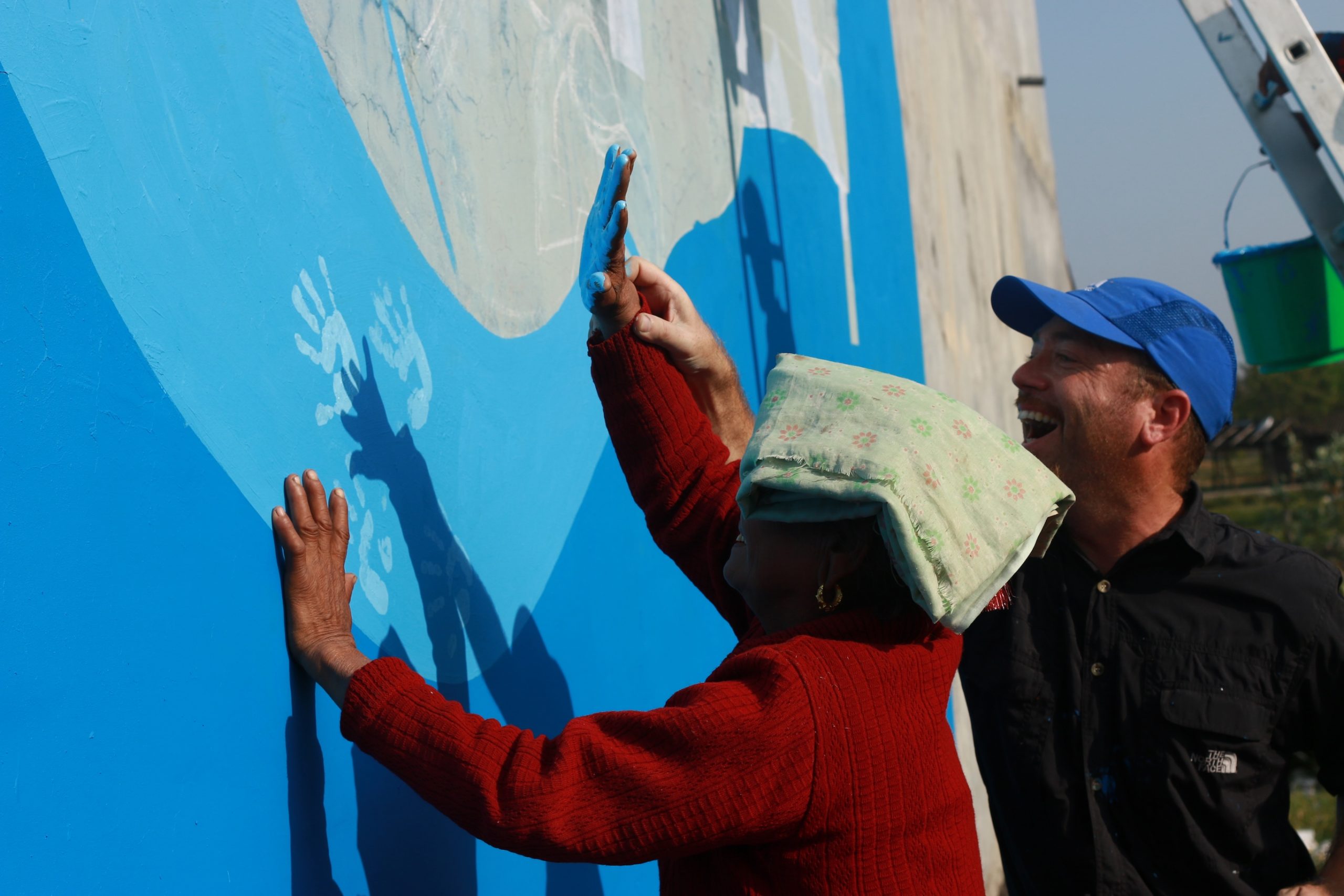
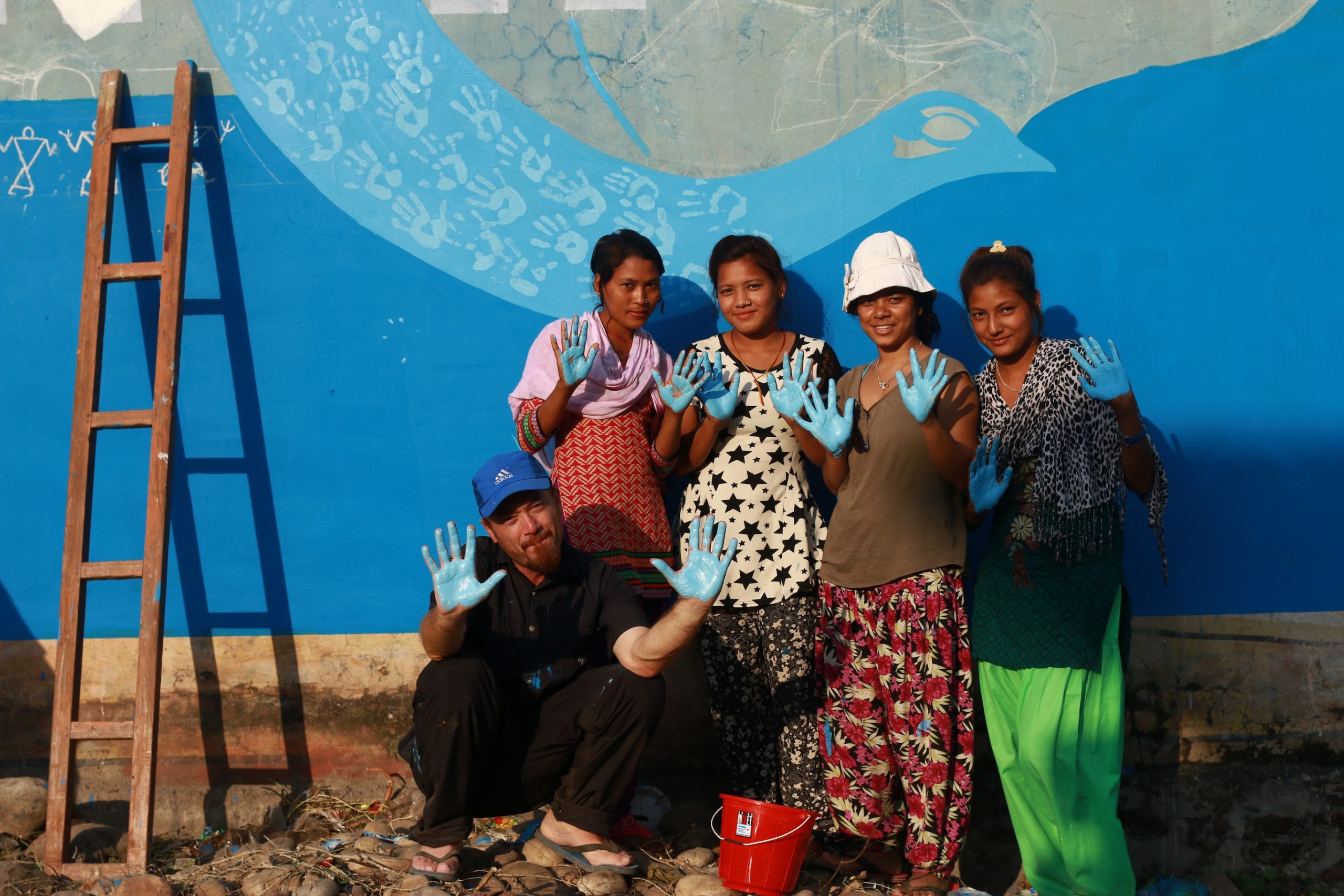
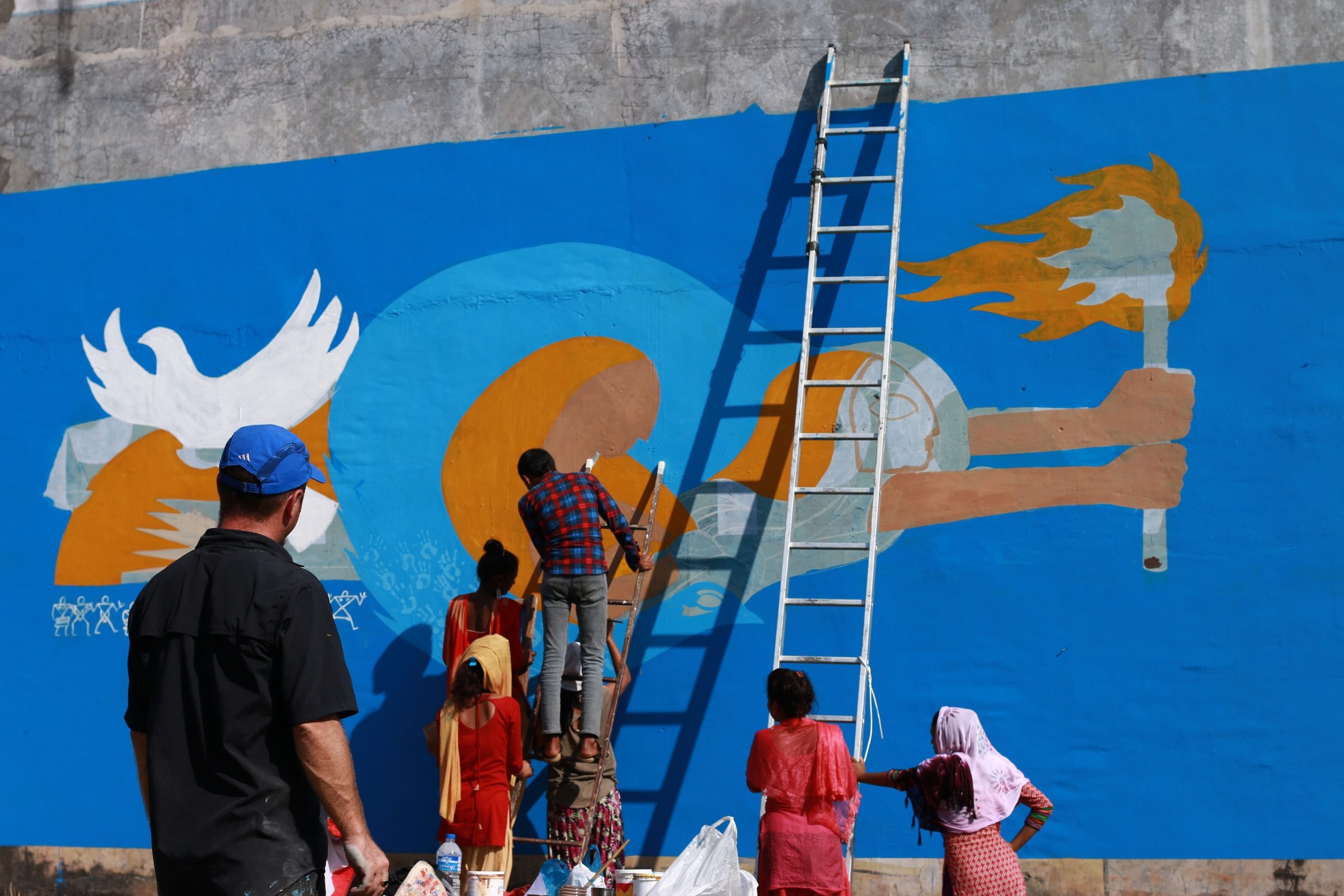
The mural did not begin with a preconceived design. It emerged through a collaborative process in which each participant contributed drawings based on her own experiences. Together we discussed the meanings behind these images and gradually wove them into a shared narrative. My role was to translate this collectively authored story into a mural design that could be painted by everyone involved.
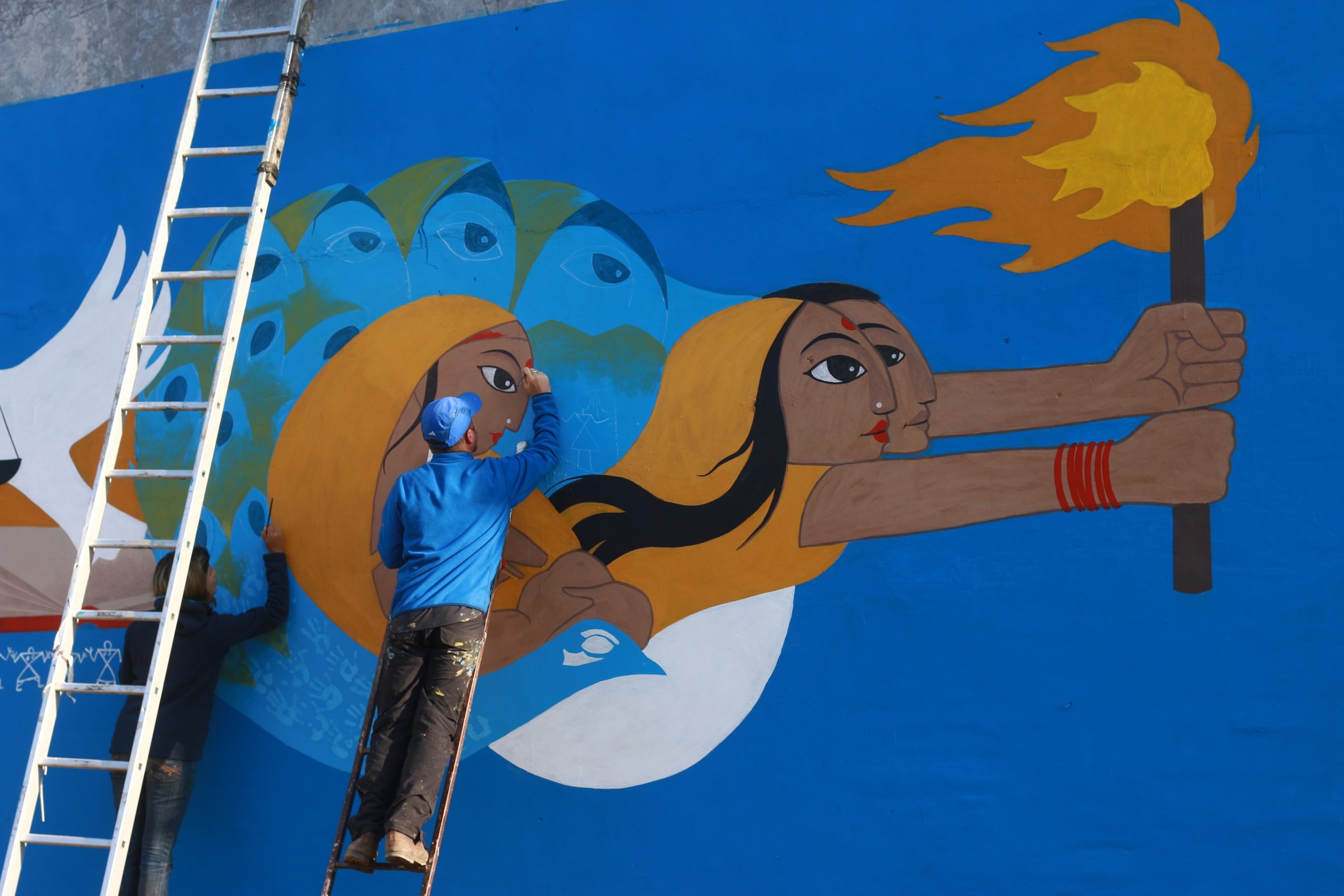
One theme emerged repeatedly throughout the workshop: the search. First came the desperate search for missing family members, followed by the much longer and more painful search for truth, justice and recognition. This became the central concept of the mural.
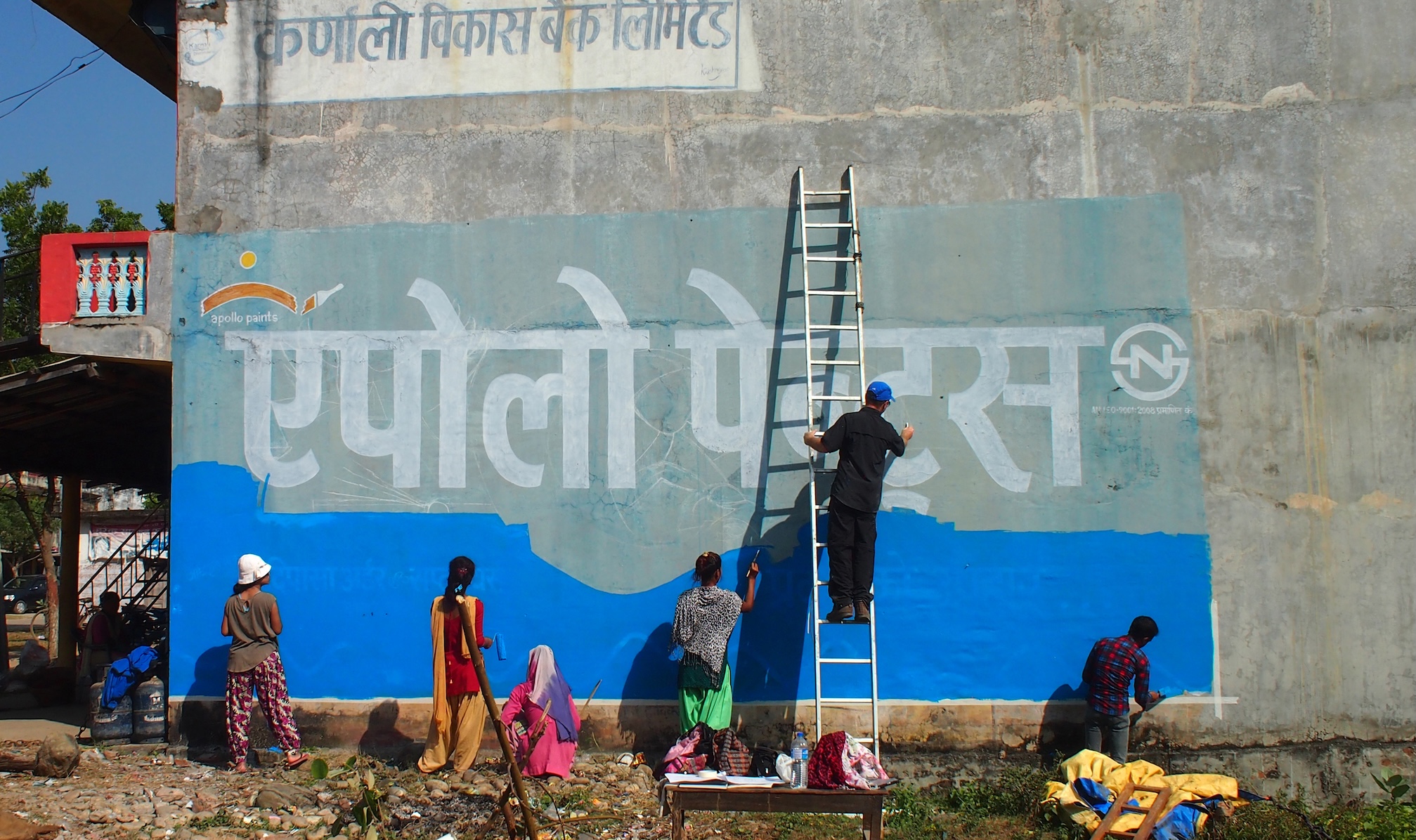
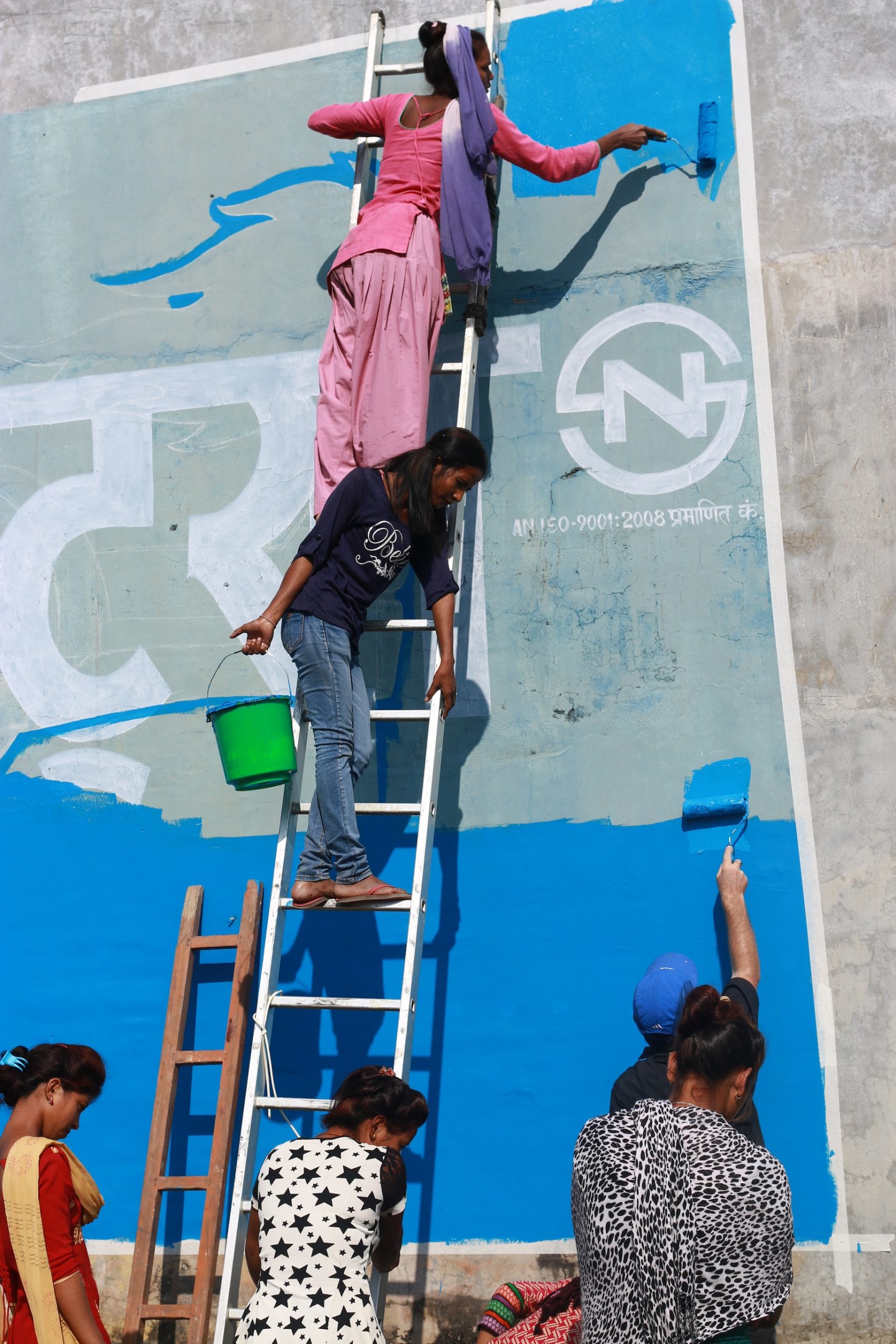
The design was intentionally simple so that everyone could participate in painting it together. Rather than imposing a Western visual language, I rooted the imagery in local artistic traditions, drawing primarily on Tharu visual culture while incorporating elements inspired by the neighbouring Mithila painting tradition. This approach created.
an accessible visual language that resonated with the community and reflected the cultural landscape in which the mural would exist.
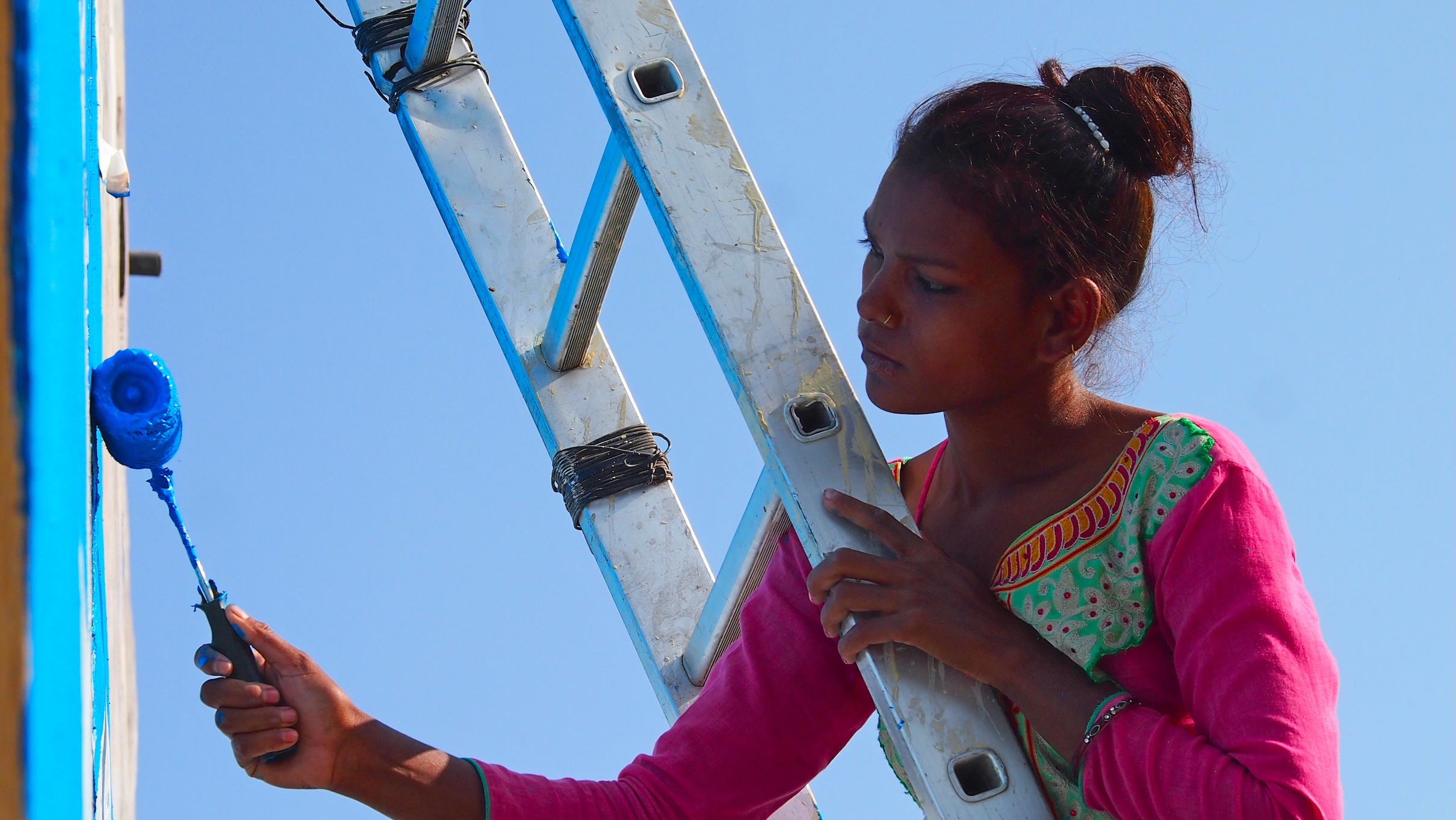
Deeply rooted in the experiences of the women who created it, the mural stands as a collective act of remembrance and resilience. It offers a glimpse into stories that are seldom heard publicly, while keeping alive the memory of those who disappeared. More than a work of public art, it became a space for shared reflection, solidarity and healing, ensuring that the search for truth remains visible within the community.


Leave a Reply