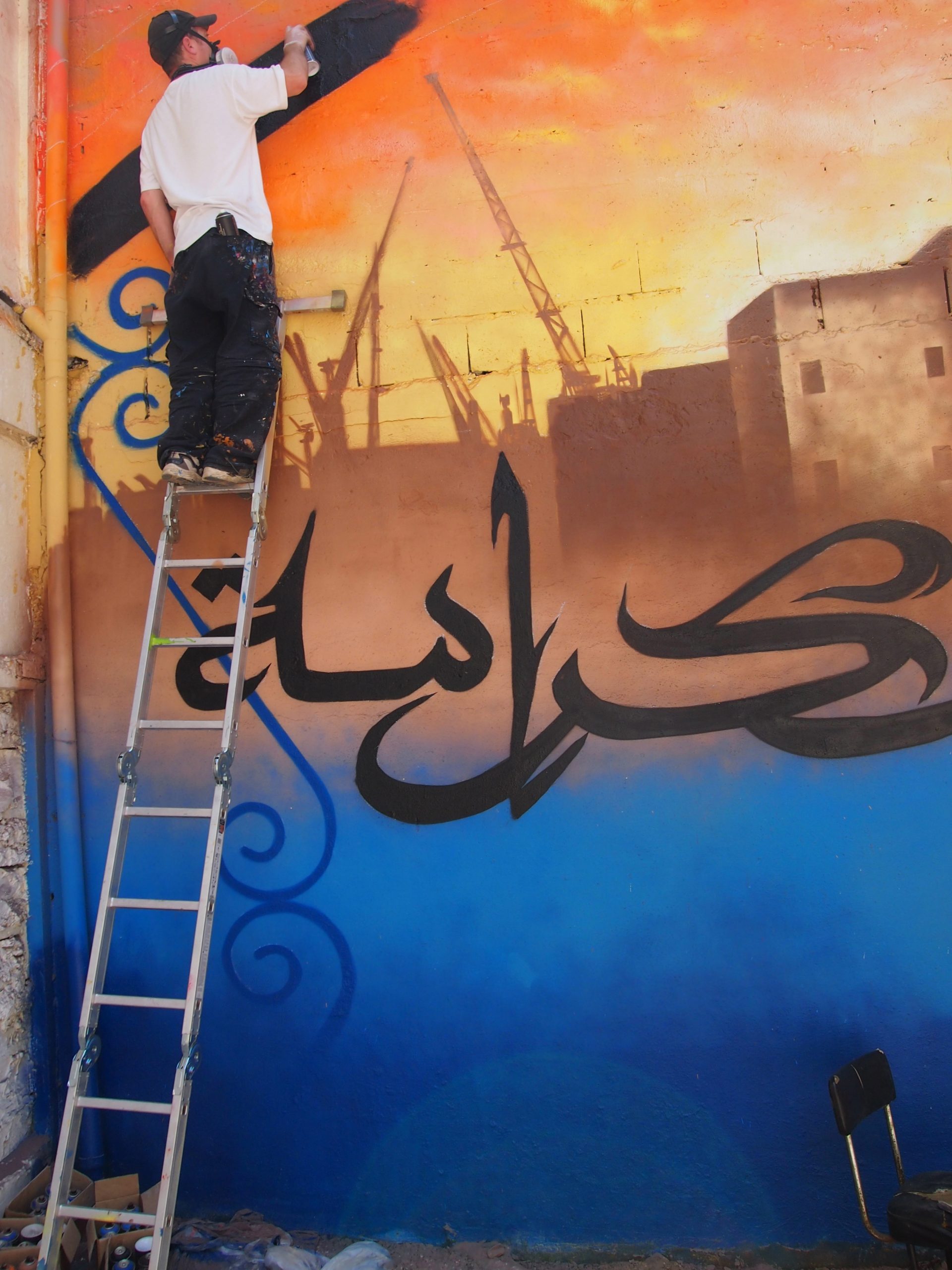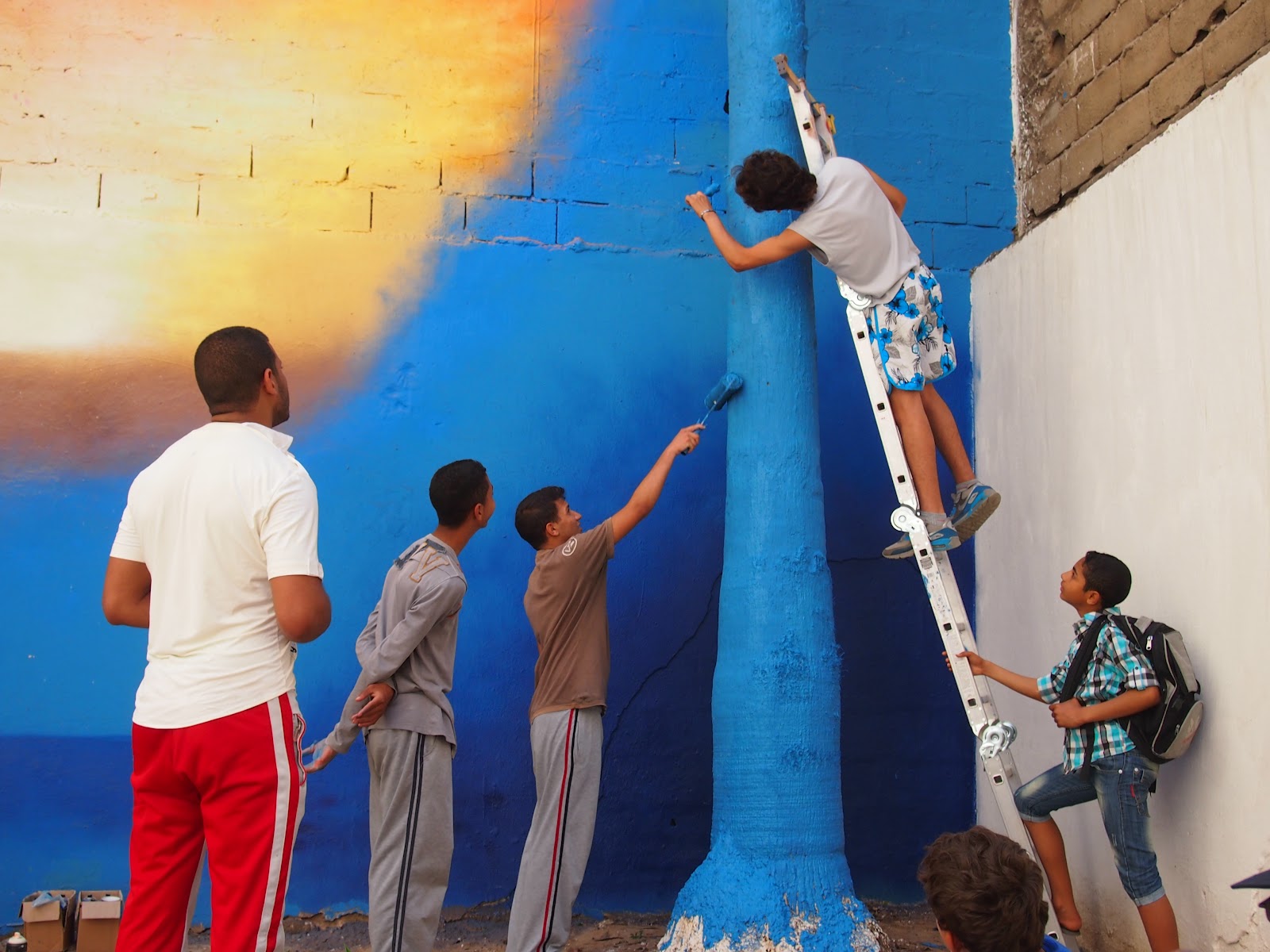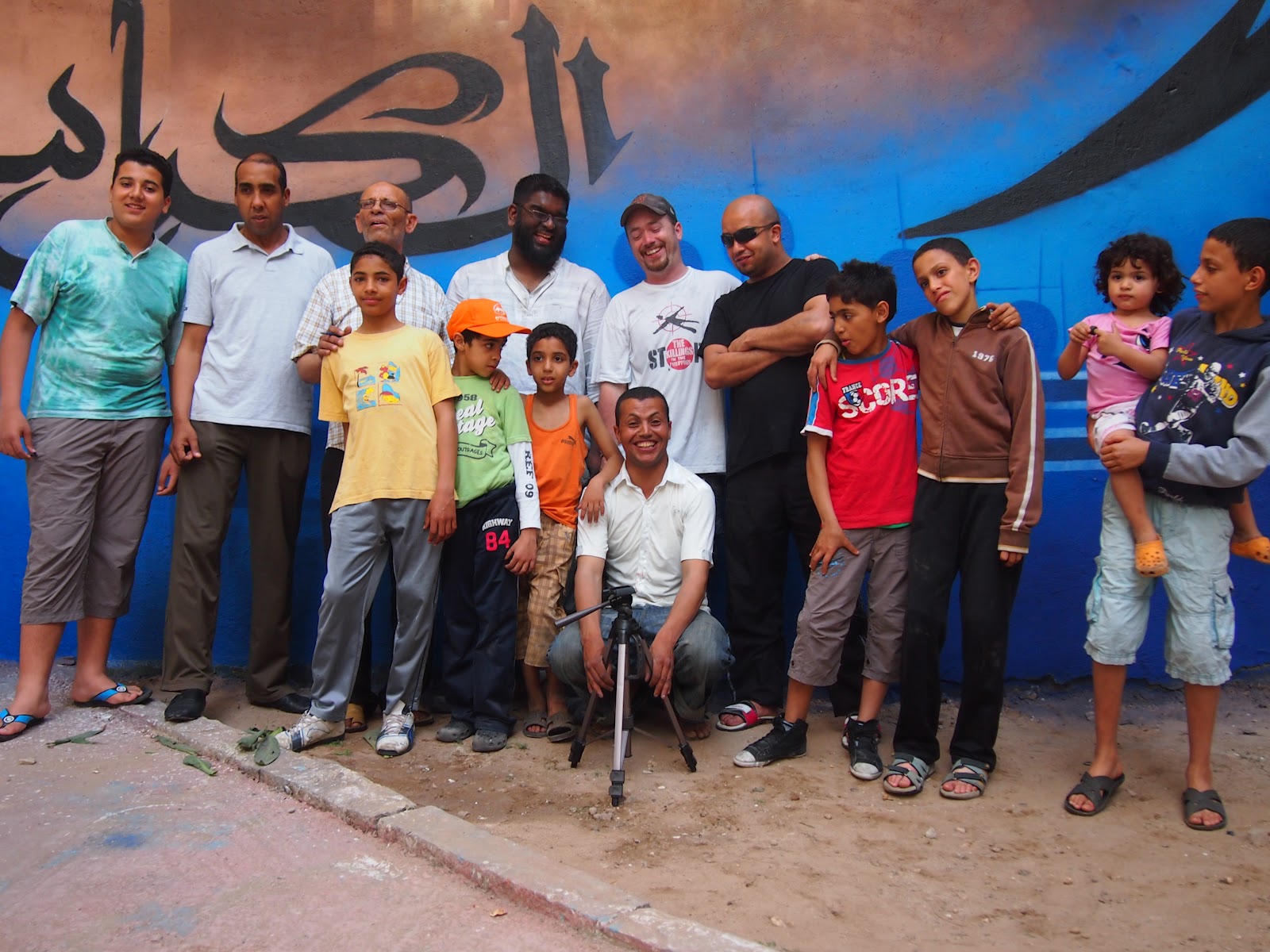


In 2012, I travelled to Casablanca, Morocco, to take part in a community mural project alongside Mohammed Ali and Benjamin Benrakad as part of the first Three Artists, Three Cities collaboration. We were invited to create a mural in Hay Mohammadi, a working-class neighbourhood of Casablanca, where what struck us immediately was not simply the poverty and social hardship around us, but the extraordinary warmth, generosity and pride of the people who lived there.
Although the area has long been associated with poverty and social hardship, what struck us most was the extraordinary generosity and hospitality of the local residents. Throughout the project, neighbours regularly brought us food and drinks, stopped to chat, and made us feel genuinely welcome. Their kindness became an integral part of the experience.
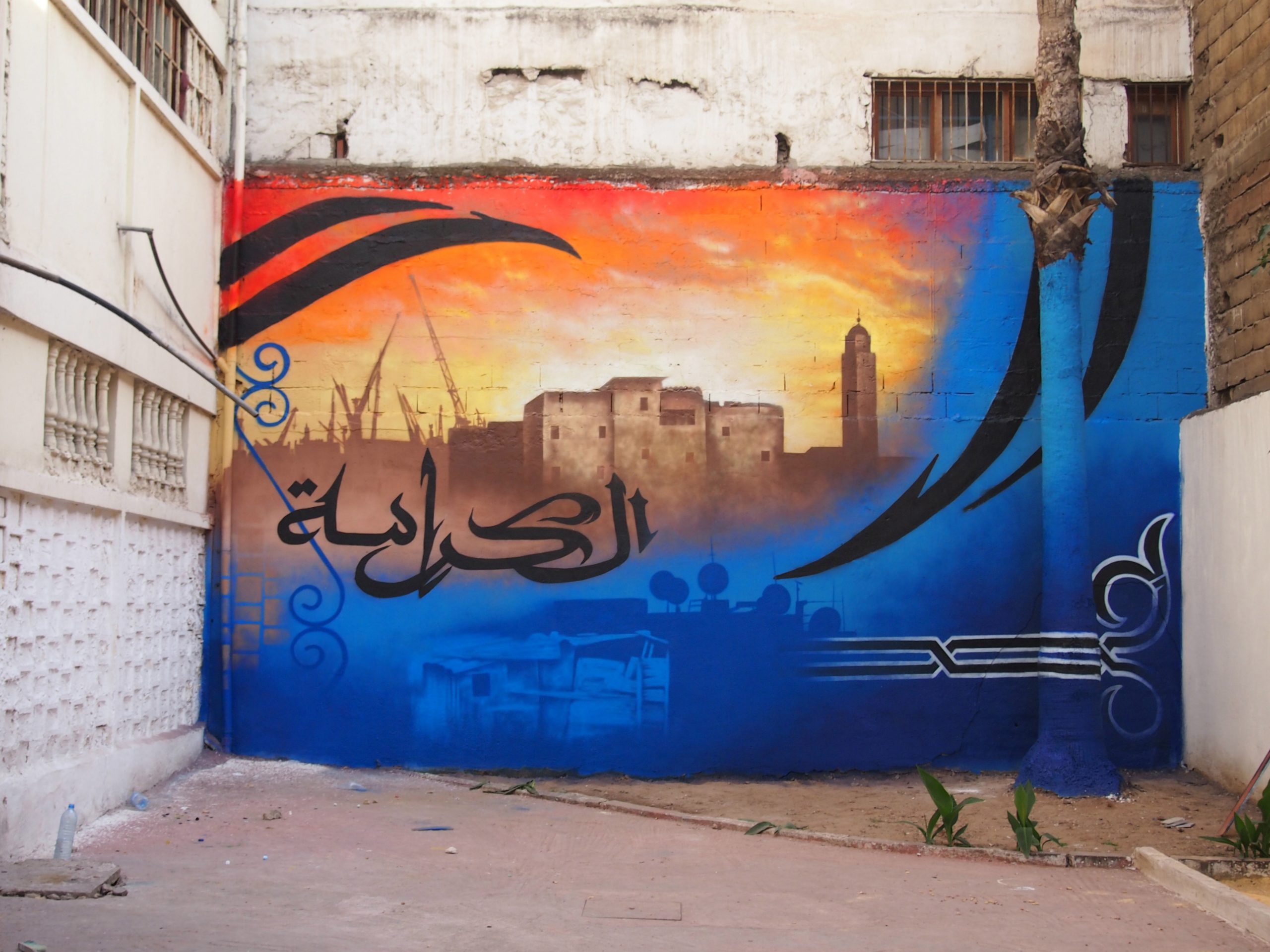
The mural’s title, Dignity, emerged from our time in the neighbourhood. Despite the visible economic challenges, the people we met carried themselves with remarkable pride, resilience and a strong sense of community. The work became a reflection on the idea that dignity is not defined by material wealth, but by the strength, generosity and humanity of the people themselves.
The project itself almost never happened. At one stage, our plans had completely fallen apart and we found ourselves in an unfamiliar city with no clear way forward. Through the generosity of people we had only just met—particularly Zuheir, Vincent from Fat Cap Magazine, and many local residents—the project was brought back to life. Their support transformed what could have been a failed trip into one of the most memorable mural projects I have been part of.
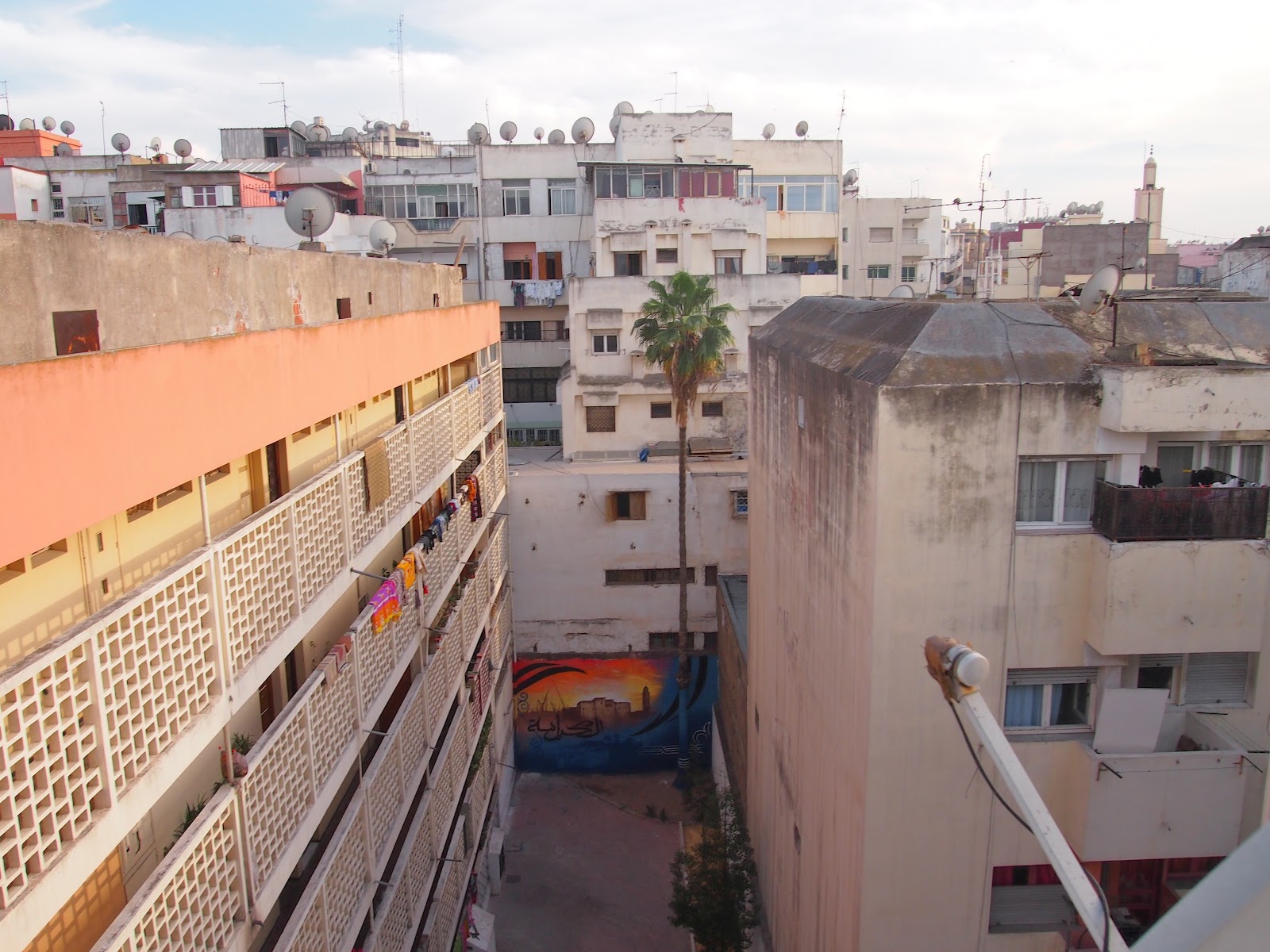
Unlike many public murals that are positioned along busy roads or prominent city spaces, Dignity was created within the heart of a residential housing complex. Rather than being experienced by passing traffic, it was made for the people who lived there—for the families who would see it every day from their windows and doorsteps. After the mural was completed, many residents invited us into their homes to celebrate with them. Having painted within their community, we were welcomed into their personal lives, creating genuine human connections that extended far beyond the artwork itself.
More than a mural, Dignity became a reminder that the most meaningful public art is often measured not by its visibility, but by the relationships it creates with the communities it serves.