

The 2015 earthquake in Nepal changed the direction of my work in ways I could not have anticipated.
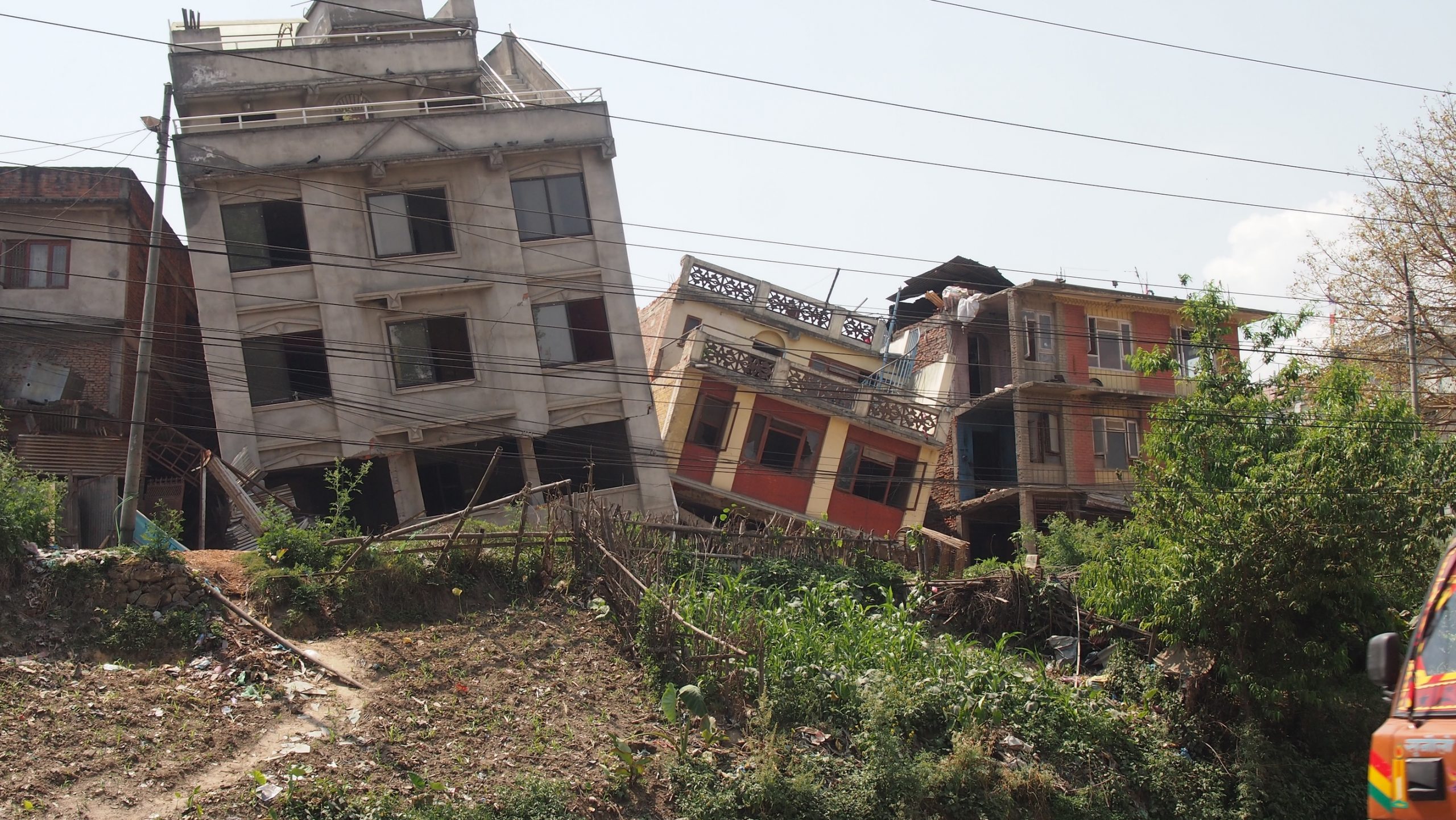
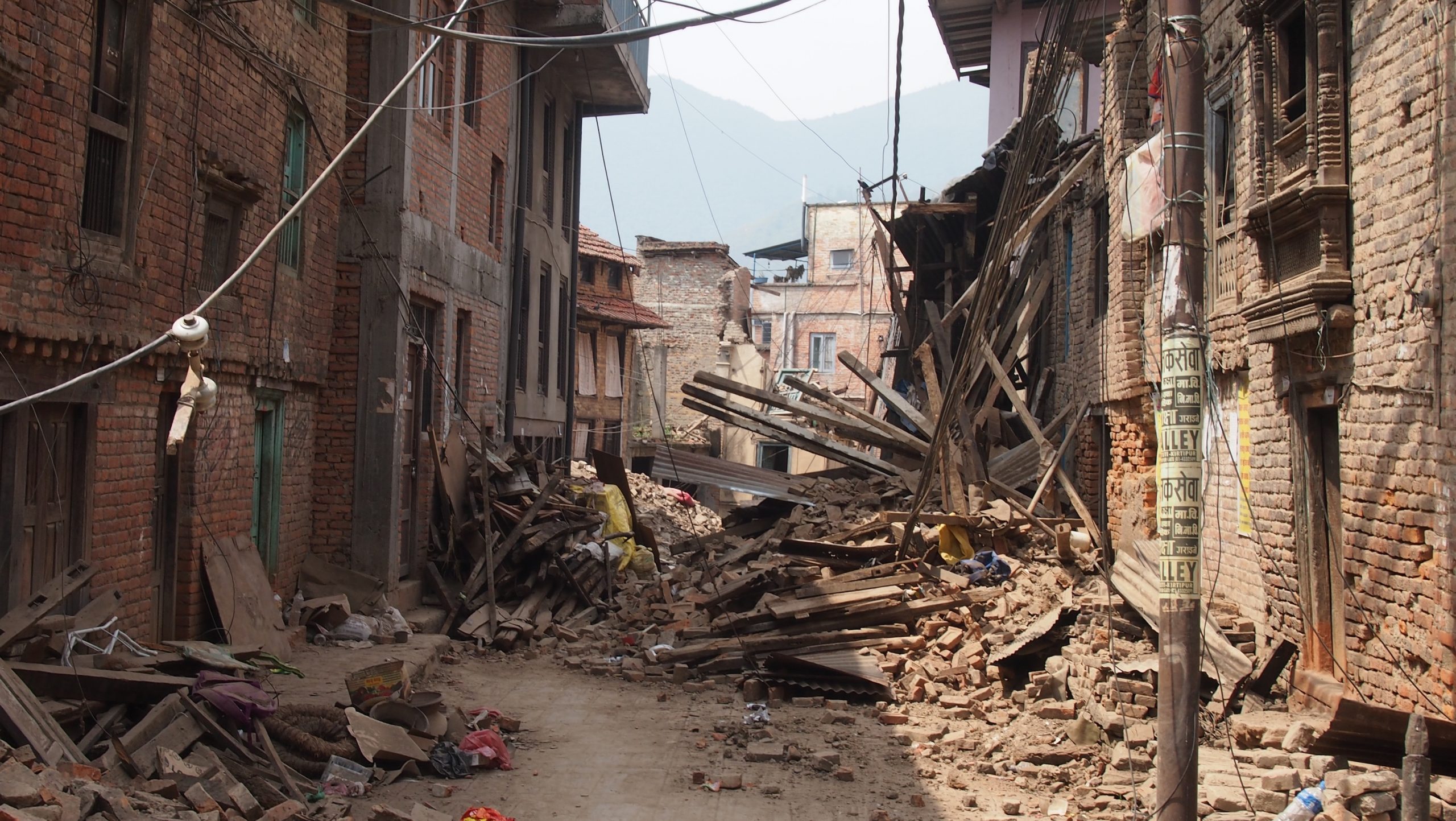
I was in Nepal when the earthquake struck, travelling through the Langtang region on the Tamang Heritage Trail. After experiencing the earthquake in the mountains, I returned to Kathmandu to find a city and country facing enormous devastation. The British Embassy contacted me, urging British nationals to leave, but I decided to remain in Nepal and became involved in the growing relief effort.
Soon I was travelling with groups of volunteers into communities affected by the earthquake, often in trucks loaded with food, medical supplies and other essential materials. We would spend hours driving out from Kathmandu and into the hills and mountains, reaching villages where homes had been destroyed and everyday life had been thrown into uncertainty.
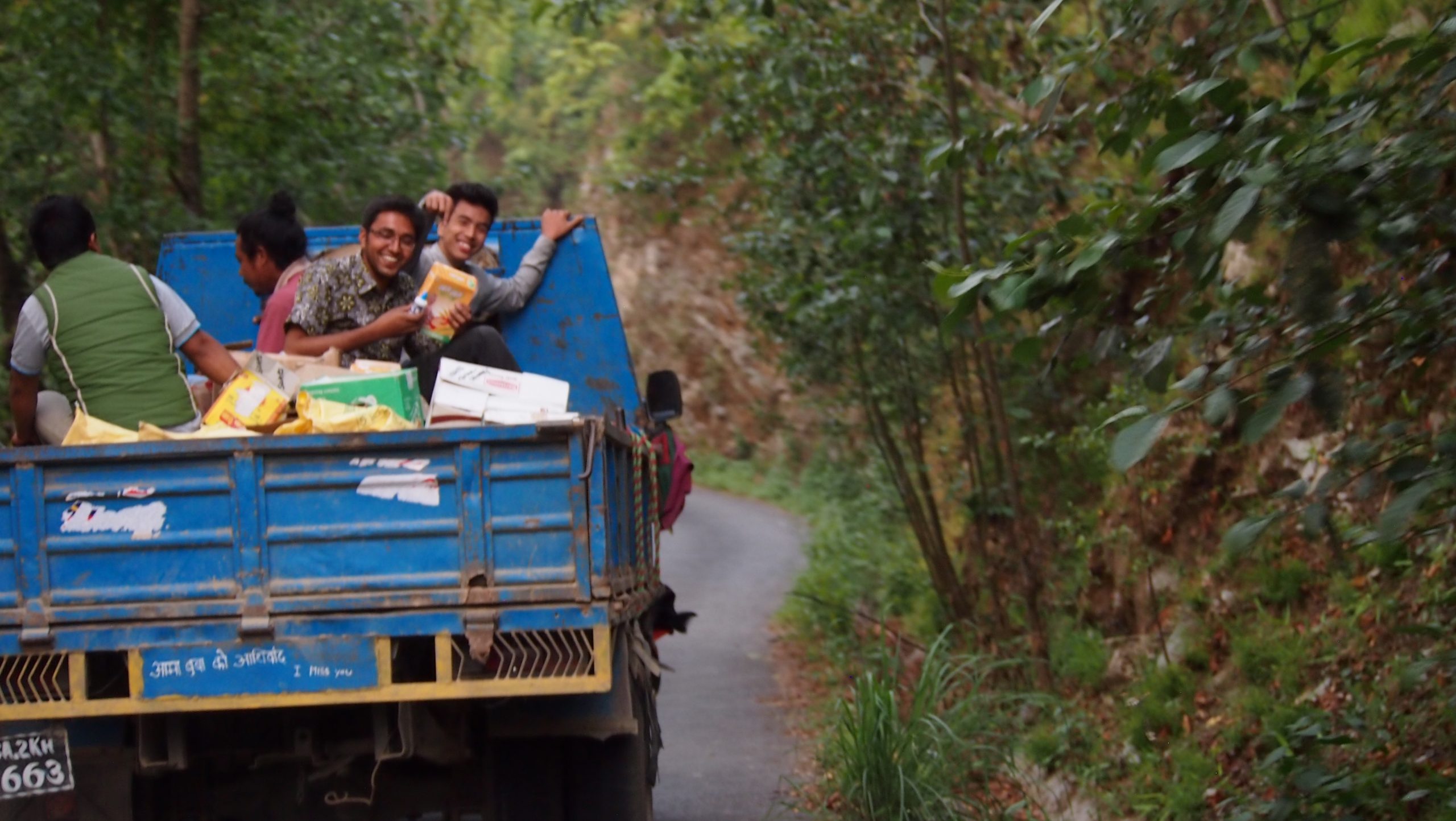
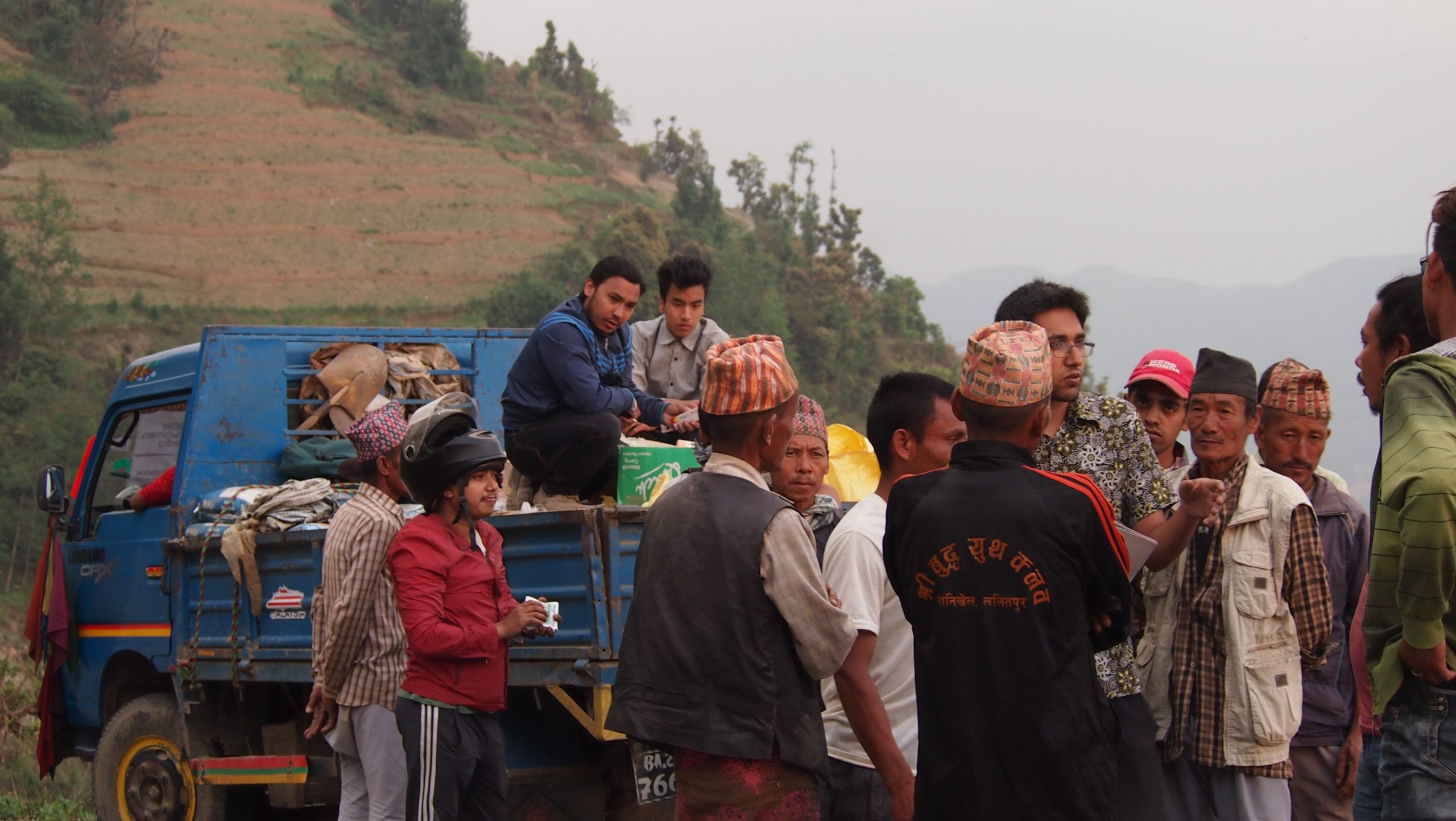
On several of these journeys, village elders began asking whether there was something we could do for the children. They described children who were frightened and deeply affected by what they had experienced. With my background in community arts and many years of working creatively with young people in difficult and challenging circumstances, I suggested that we could introduce art workshops alongside the relief work.
So the trucks began carrying something extra. Alongside food, medicine and other supplies, we started taking paper, paints, pencils and other art materials. We travelled to communities across the hills and mountains and created informal spaces where children could draw, paint, make things and simply spend time together.
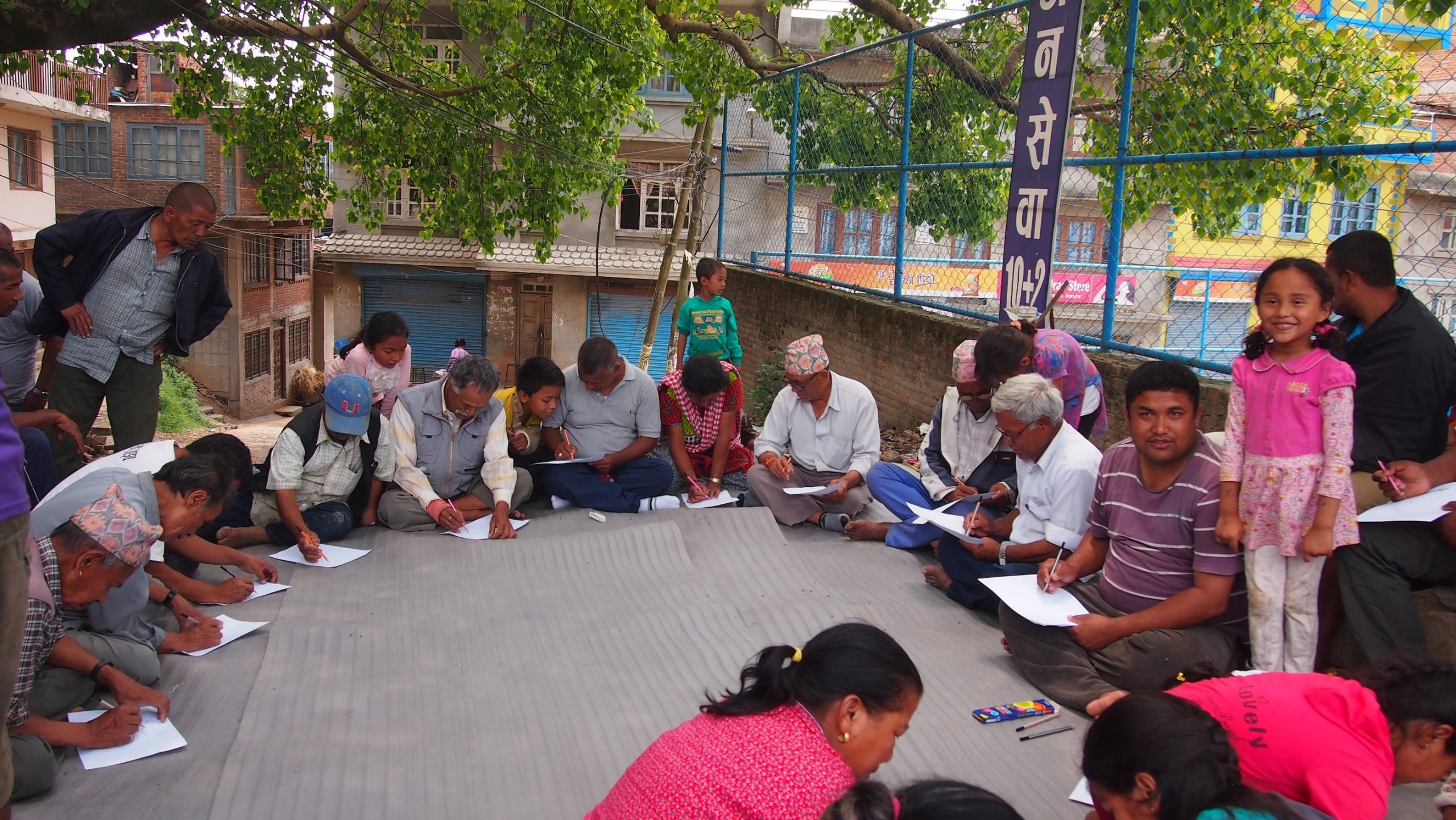
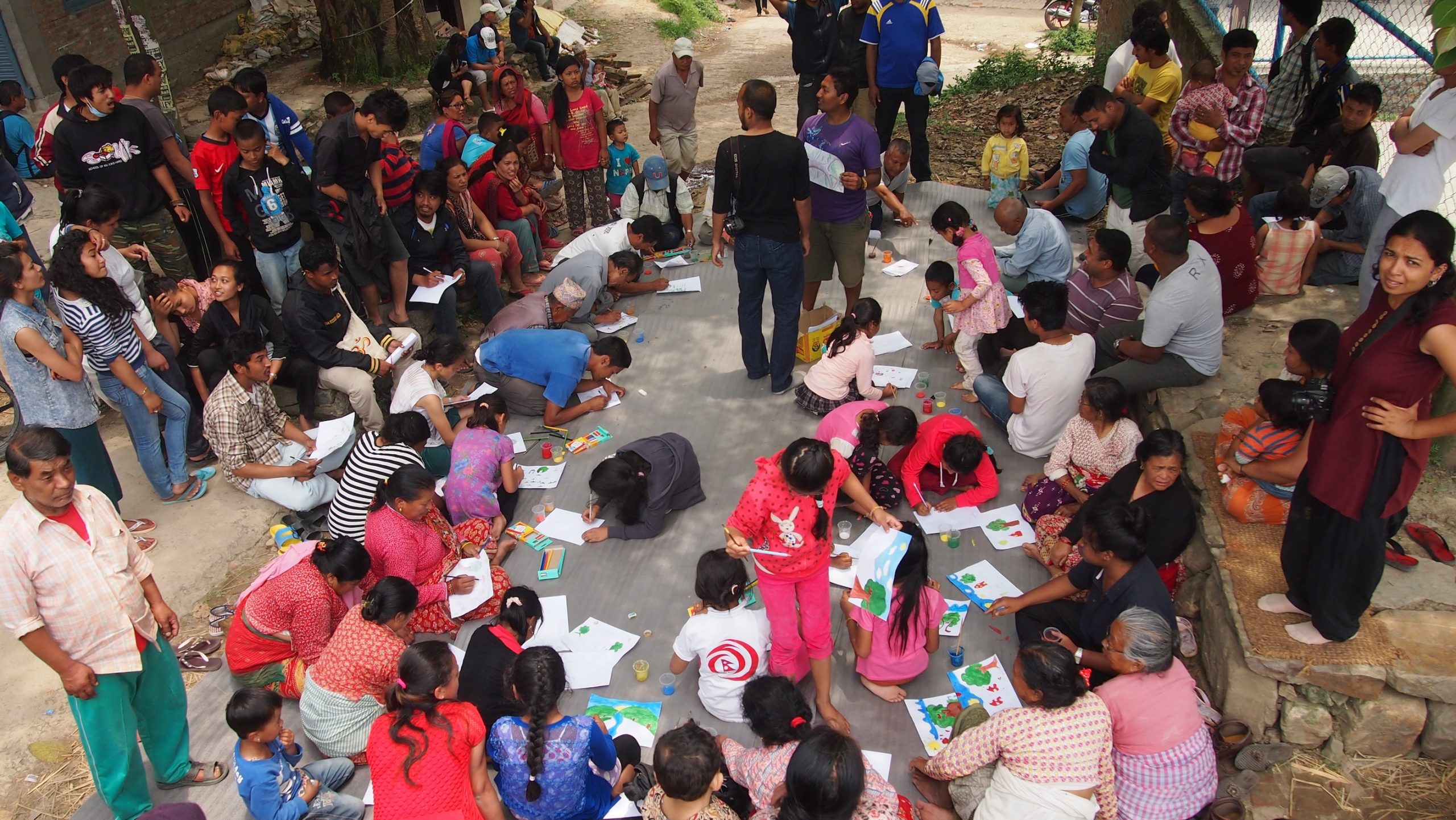
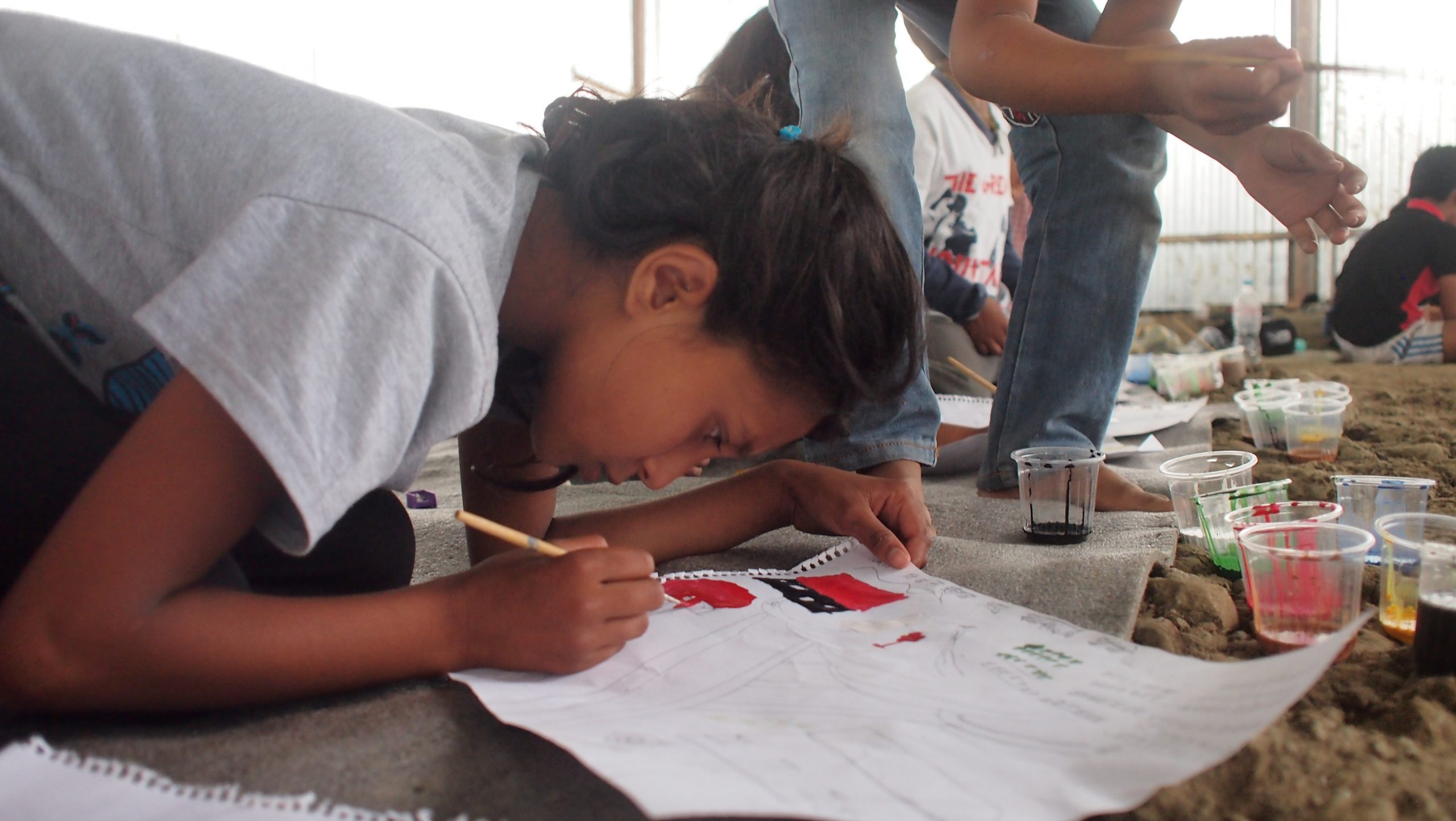
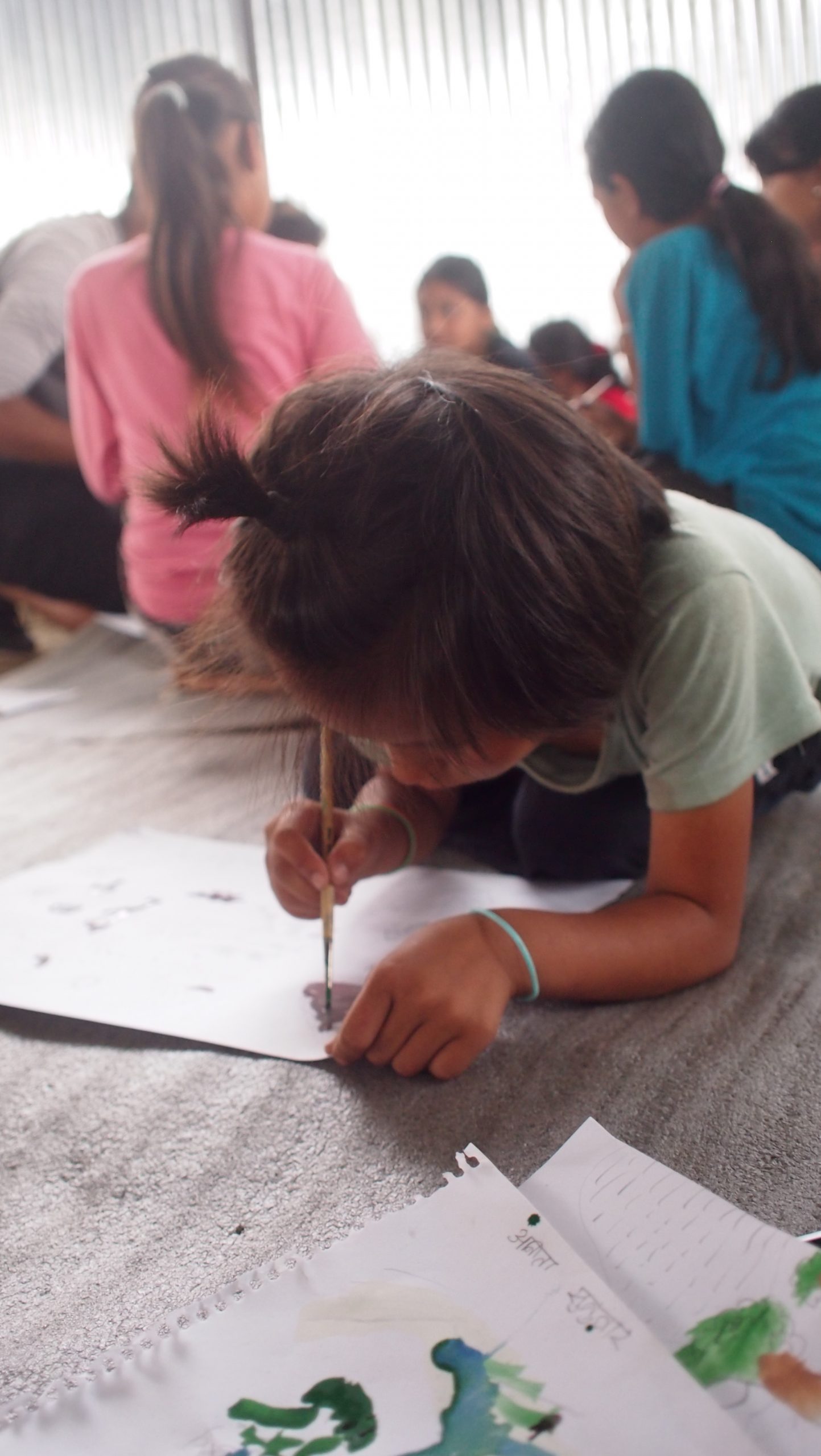
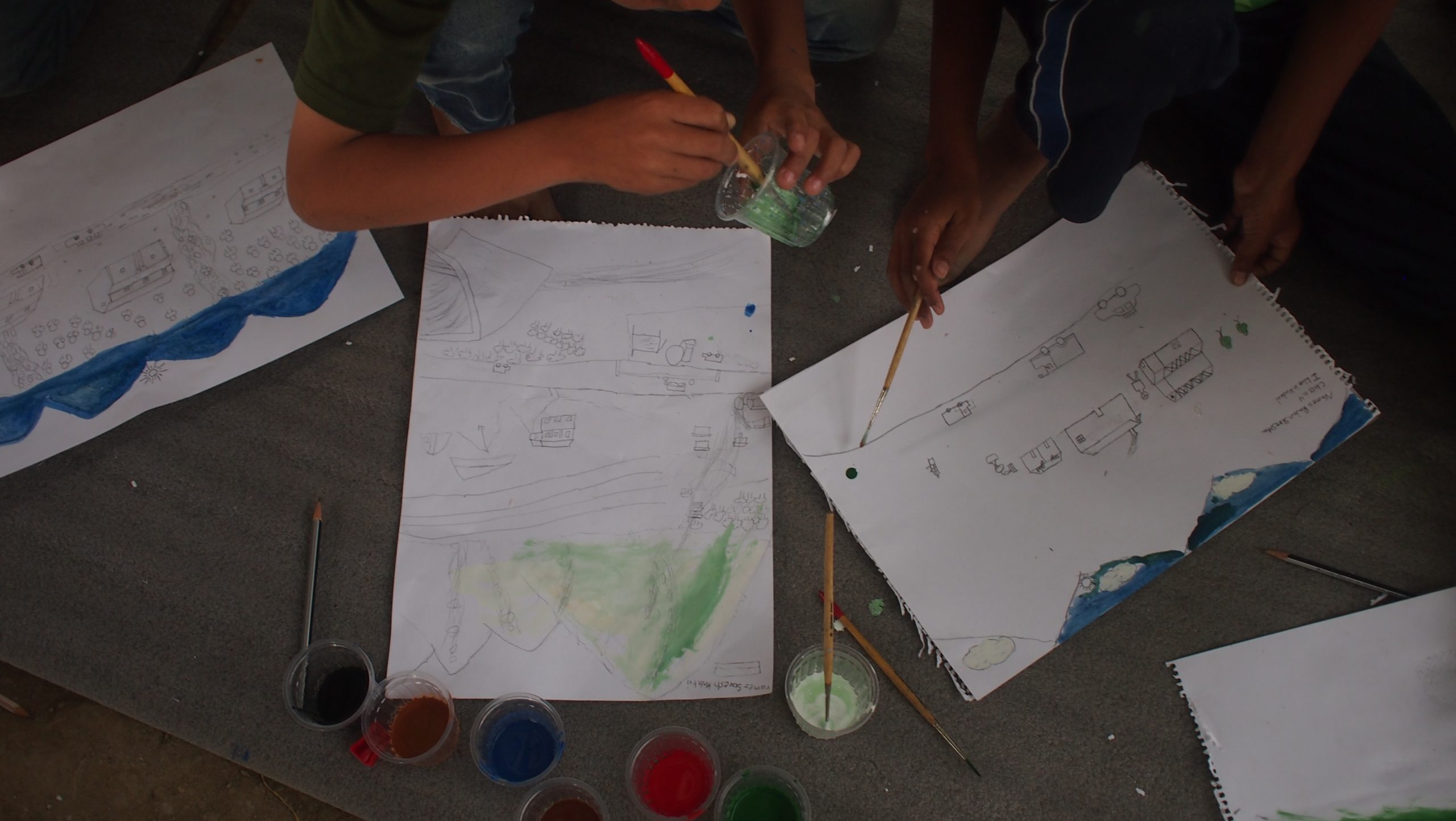
The workshops were not intended as formal therapy. They were an opportunity for children to express something of what they had experienced, to make sense of their surroundings through creativity, and to have moments of play, connection and normality at a time when so much around them had changed. As I saw the scale of the destruction and the number of communities needing support, I began reaching out through my international network to raise funds for more art materials. The response was far greater than I expected. Artists, teachers, parents and children from different parts of the world wanted to find a way to show their support.
This led to a second idea: what if children in other countries could make art for the children in Nepal?
I asked teachers to introduce the earthquake into their existing classes, to talk with their students about what had happened in Nepal and to invite them to create artworks expressing solidarity, friendship, hope and support. The children photographed or scanned their work and sent it to me digitally, allowing me to print the images and take them with me into the communities we were visiting.
The project became an international exchange between children who had never met.
When we arrived in a village, the international artworks became part of the workshop. Children in Nepal could see pictures made by other children thousands of kilometres away who had heard about their experiences and wanted to send them a message of friendship and solidarity. They would then create their own artworks in response.
The work made in Nepal was displayed alongside the work coming from abroad, creating temporary exhibitions within schools, community spaces and workshop environments.
At Kanti Ishwori School in Kathmandu, for example, the children first made artworks reflecting their own experiences and memories of the earthquake. These were then displayed alongside artworks sent by children from different countries. The result was more than an art activity: it created a visual conversation between children who had experienced the earthquake directly and children elsewhere who were trying to understand what had happened.
The project also developed into something broader than working exclusively with children. In Panga, Kirtipur, I facilitated a spontaneous community workshop where children, adults and older people all participated together. I have always been interested in this kind of intergenerational approach to community arts. Rather than separating people into predetermined age groups, the workshop allowed different generations to learn from one another. Children helped older participants with painting, while older people sometimes returned the favour.
In the aftermath of a disaster that had disrupted so many aspects of community life, these moments of collective creativity became important spaces for people to come together.
From emergency response to a longer-term practice
What began as a response to an immediate crisis gradually became something that continued beyond the emergency period. The earthquake made me realise even more clearly how powerful access to art and creative education can be when communities are facing difficult circumstances. It also reinforced something that had been central to my community arts practice for many years: art does not need to be separated from everyday life or confined to formal cultural spaces. It can happen in schools, streets, temporary shelters, villages and community spaces, and it can bring people together across generations and geographical boundaries.
The workshops eventually led me towards a longer-term commitment to arts education in Nepal. What began with loading art materials onto relief trucks eventually developed into the establishment of Kala Sikchya, an ongoing community-based art education initiative in Kathmandu. In this sense, the earthquake project became an important turning point. The immediate relief effort could not last forever, but the relationships, experiences and lessons from those workshops continued to shape my practice.
Children to Children was therefore not simply a project about making art after a disaster. It was about creating connections: between children in Nepal and children around the world, between generations within communities, and between emergency response and the longer-term role that creativity and arts education can play in people’s lives.