


My journey into the heart of the slums of New Delhi – Photo Story by Martin Travers
In 2010, I visited Kathputli Colony in West Delhi, a remarkable community of puppeteers, musicians, magicians, dancers and acrobats. Drawn to art rooted in people’s lives, stories and traditions, I encountered a vibrant community using performance not only for entertainment, but to pass on knowledge and sustain cultural traditions across generations.
Unbeknownst to me, I was photographing the colony during its final years. Later demolished as part of a long-delayed redevelopment project, it was home to artists whose lives and traditions made it unique. These photographs document both my encounter with Kathputli and a community profoundly changed by displacement.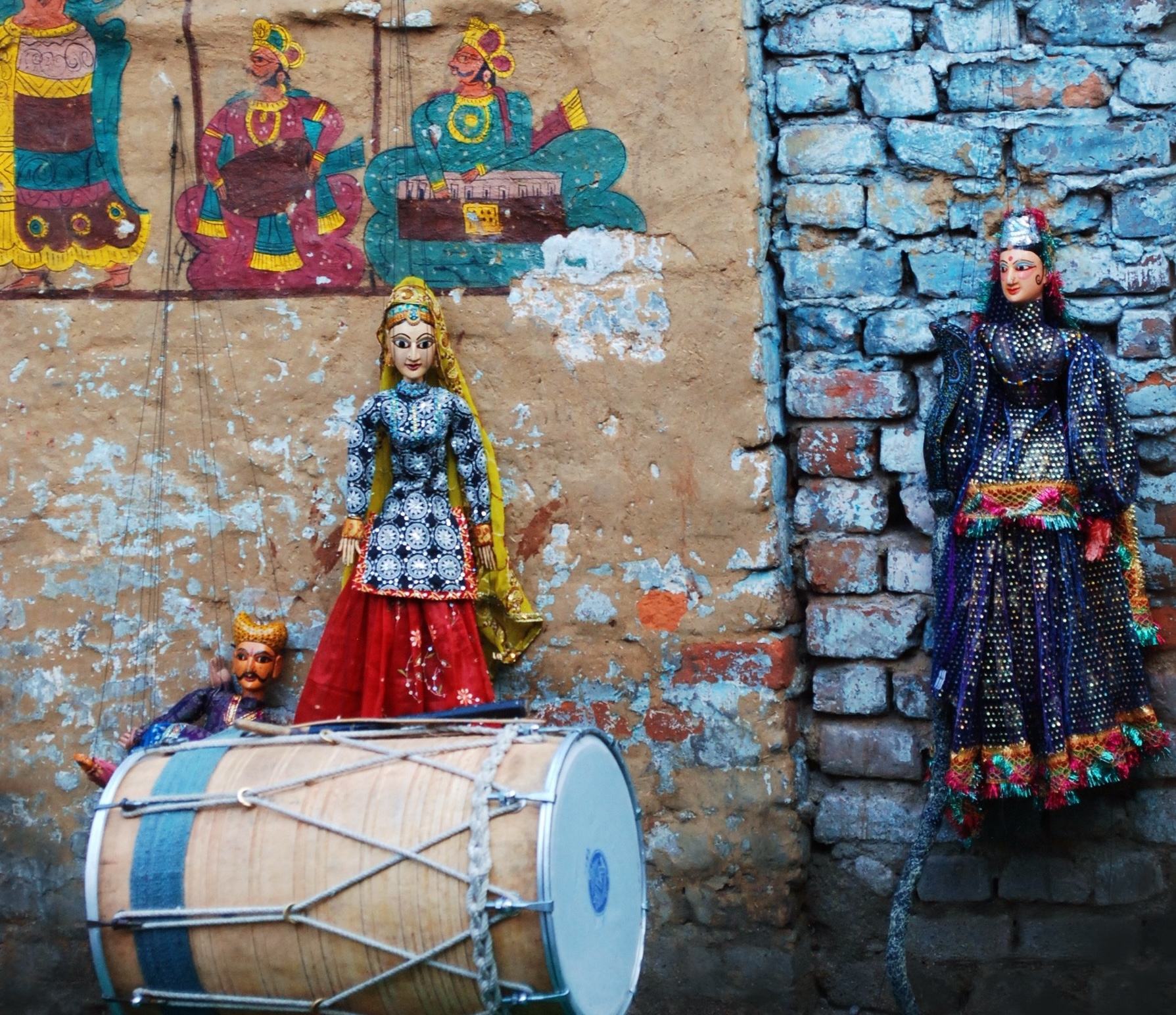
Shortly after my arrival to Delhi and my uncomfortable introduction to the world of art hipsters and the kind of street art that is as disrespectful to the locals as the gentrification process that it beds. I began looking for something different. I wanted to find the kind of community-rooted art that has soul, art that grows out of people’s lived experiences, carries their stories and has an authentic relationship with the place it inhabits. This is a familiar kind of search for me. Luckily, I already had a hunch. A year earlier, while killing time during a layover at Delhi airport on my way to Nepal, I had picked up a random magazine. In it was an article about a remarkable community on the outskirts of New Delhi: a colony of puppeteers, magicians, acrobats, dancers, musicians and other itinerant performers who had settled there over generations. They hold a sort of legendary or mythical status in India where it’s unclear if they actually exist or not. I remembered the name, Kathputli.
So, a year later, there I was in Delhi, armed with what might or might not have been the right location, a strong sense of determination, some might call it madness, and a good friend who was equally mad enough to follow me into whatever adventure came next. You’d be surprised how far you can get with those two things. After a brief, perhaps dangerous, expedition into a very large slum settlement and what we only later discovered was indeed the vicinity of the Kathputli Colony, I decided a little more research might be wise. A few long hours online eventually produced a name, Kailash, and a telephone number.
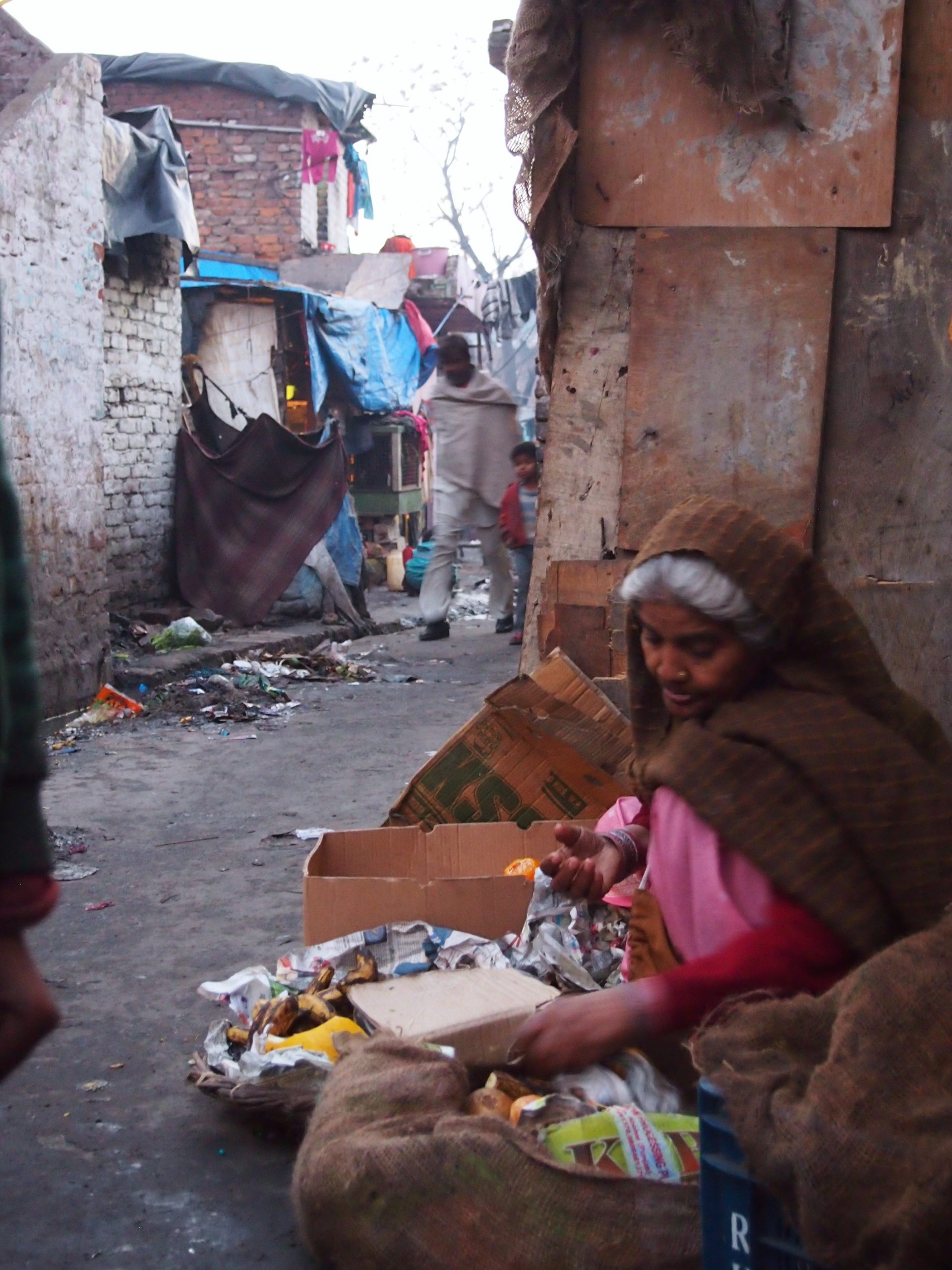
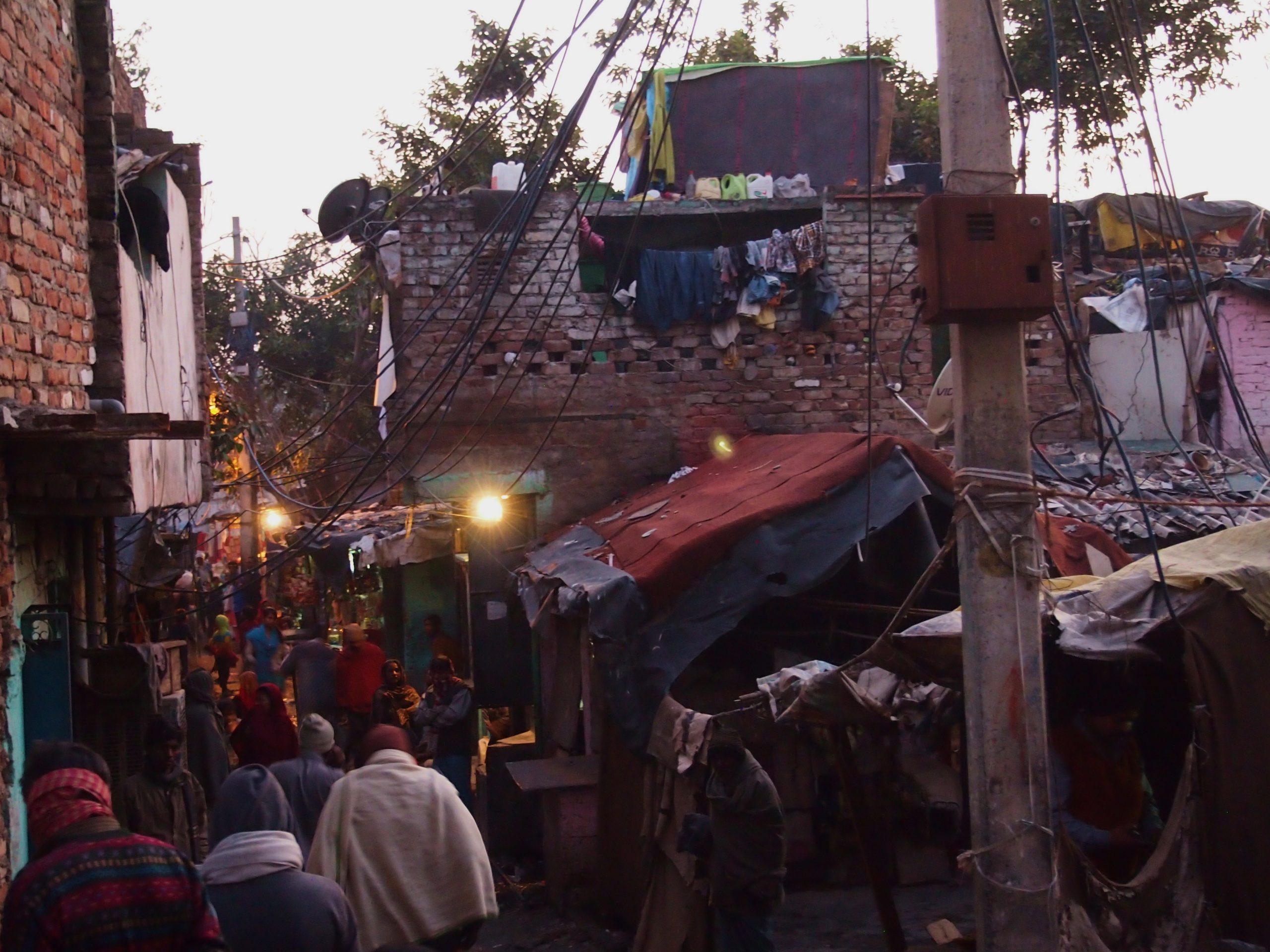
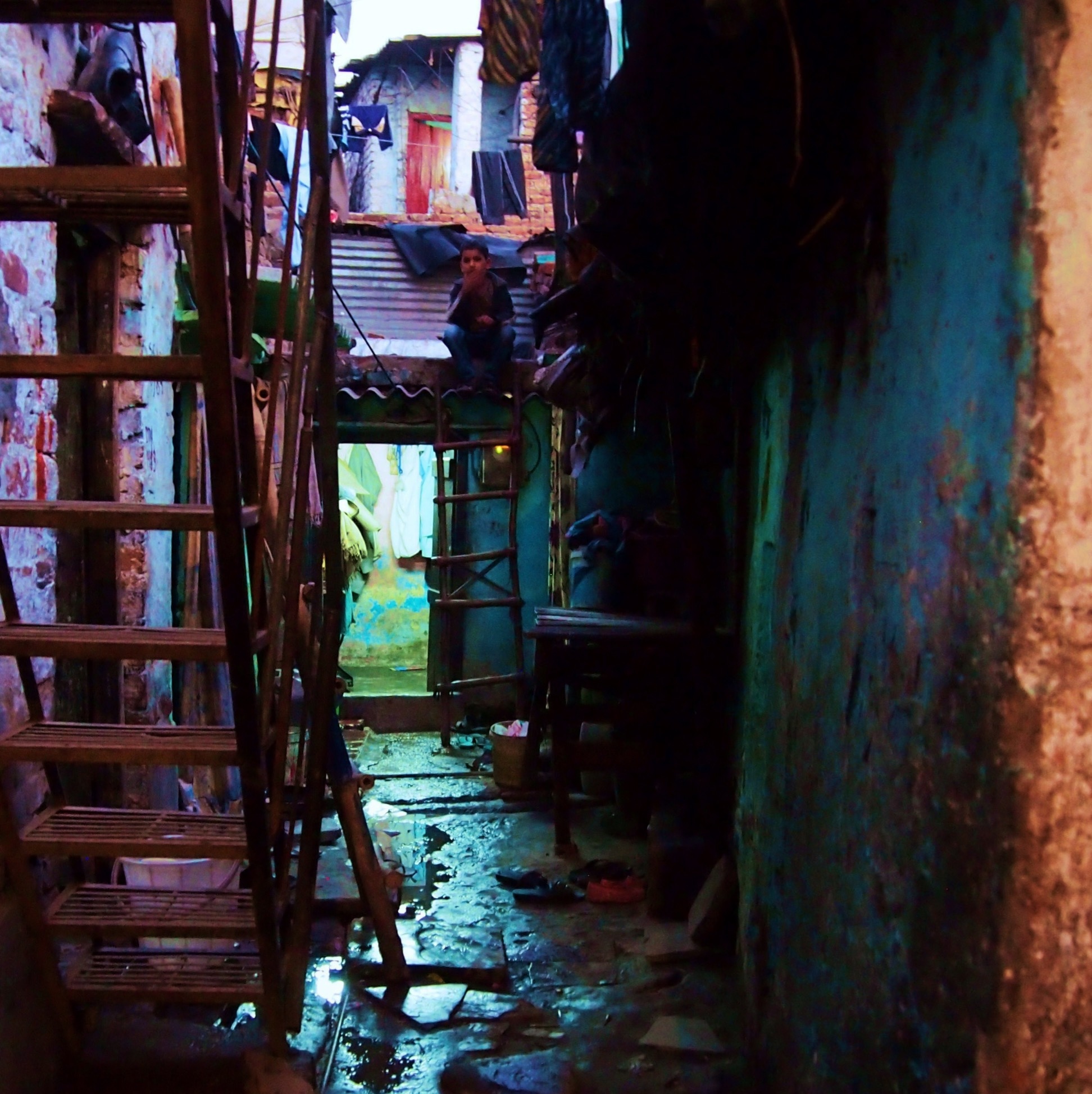
The following morning, we took the Metro to Shadipur station, stepping out into an unfamiliar part of West Delhi with only a name, a phone number and the promise that someone would meet us. Two well-dressed young men arrived, as Kailash had arranged, and from there they guided us into the very heart of a vast slum settlement to Kathputli Colony. The Shadipur settlement, within which lies the Kathputli Colony, sits on the edge of huge garbage site.

OLYMPUS DIGITAL CAMERA
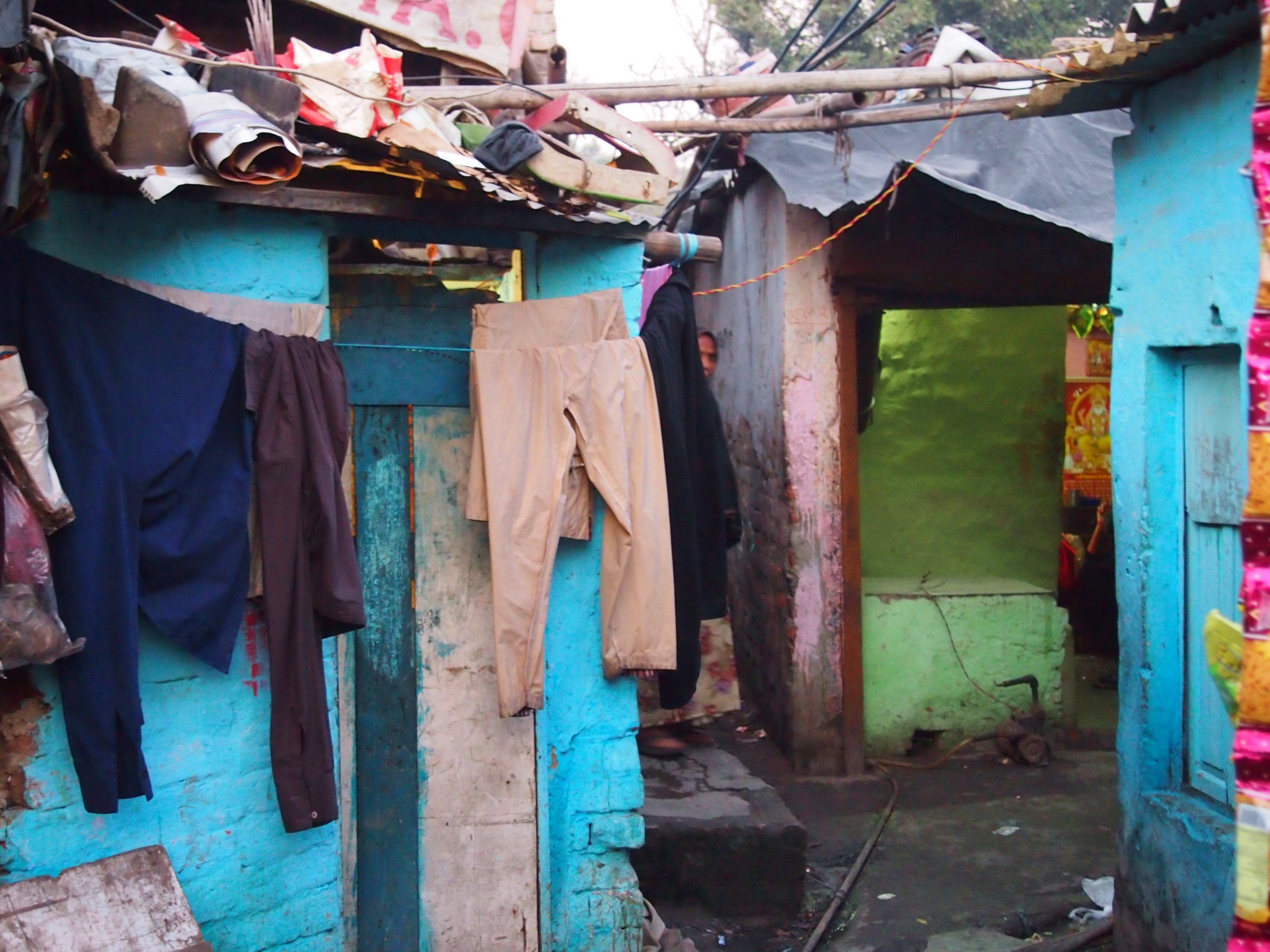
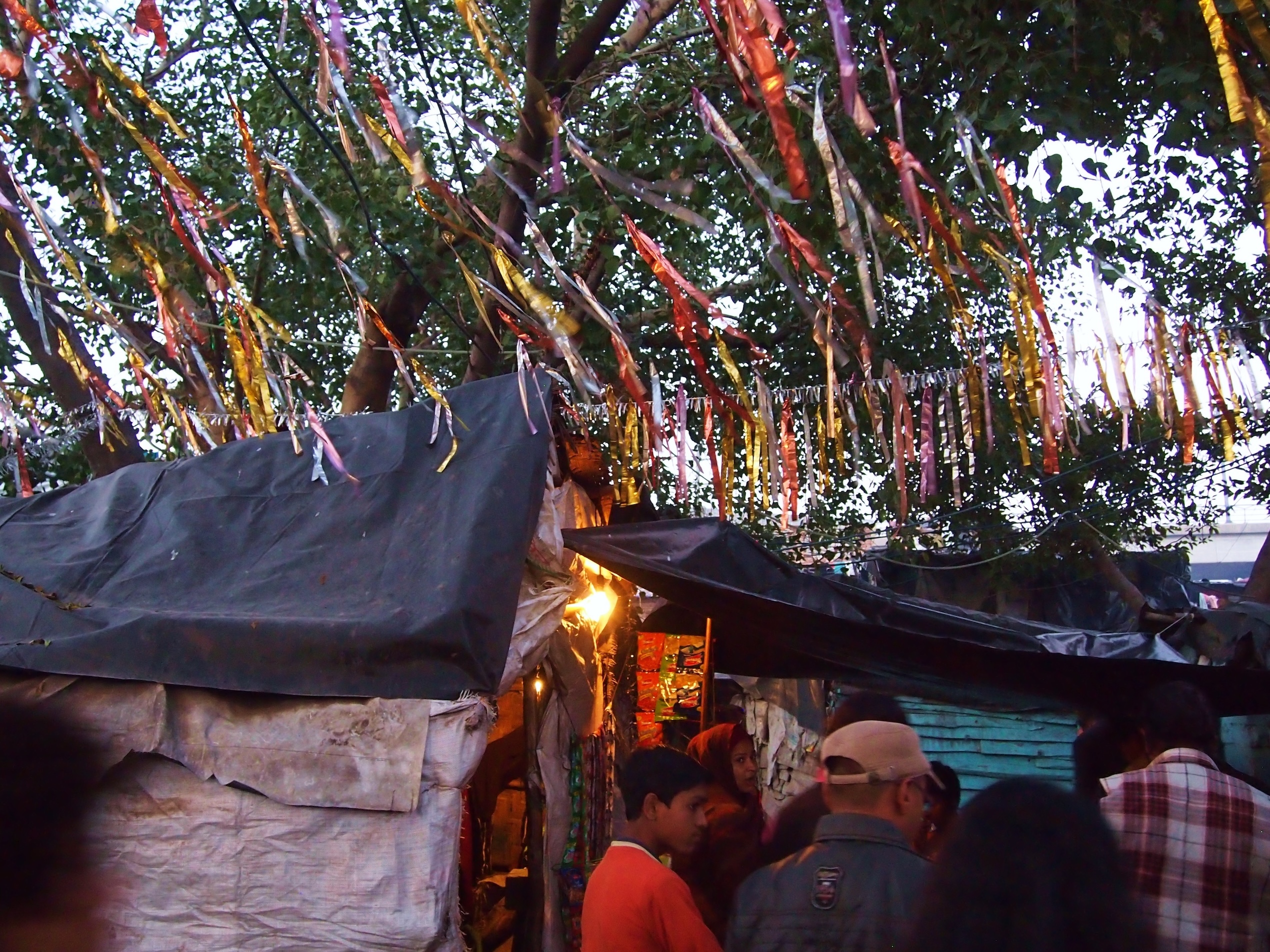
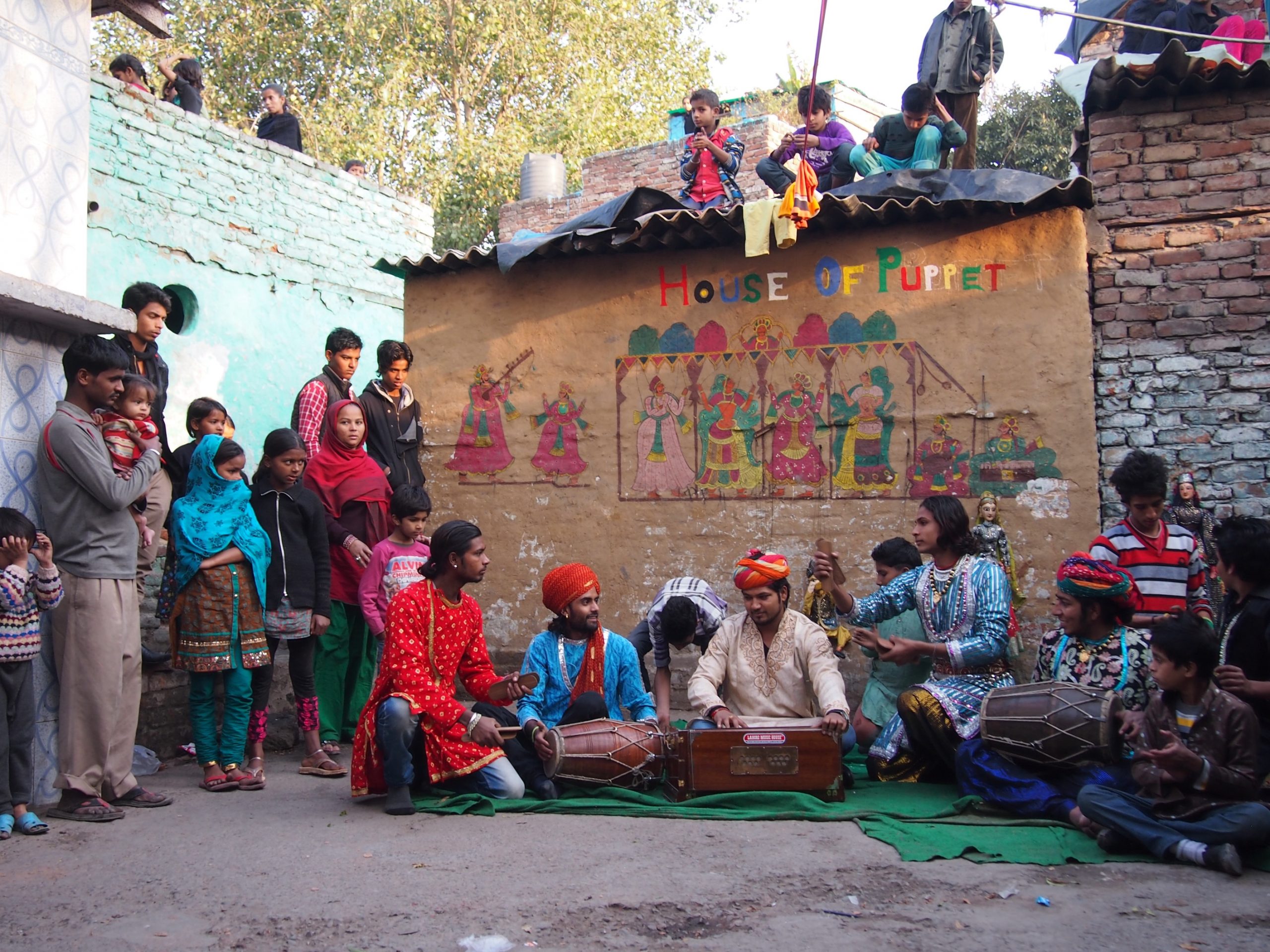
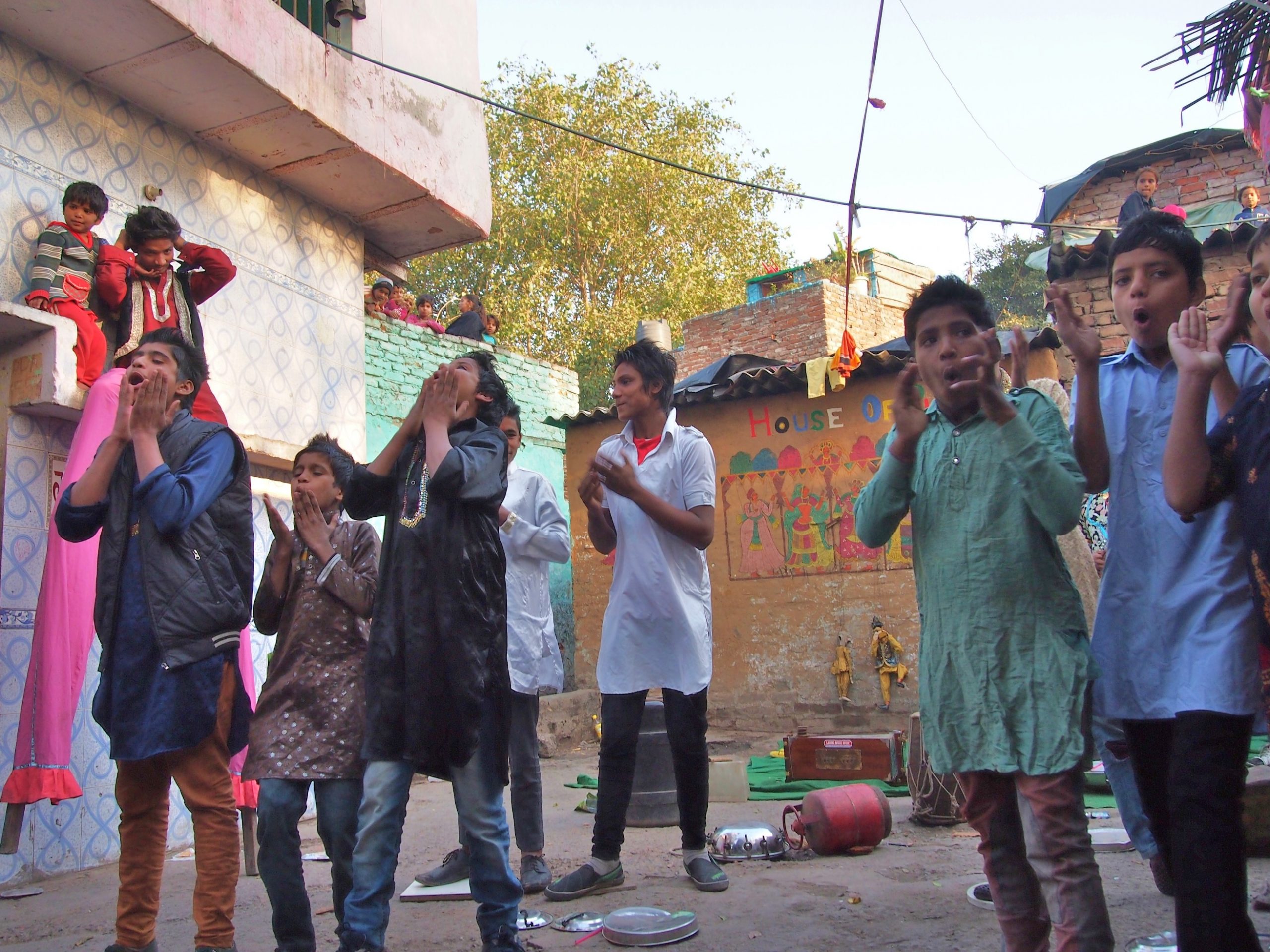
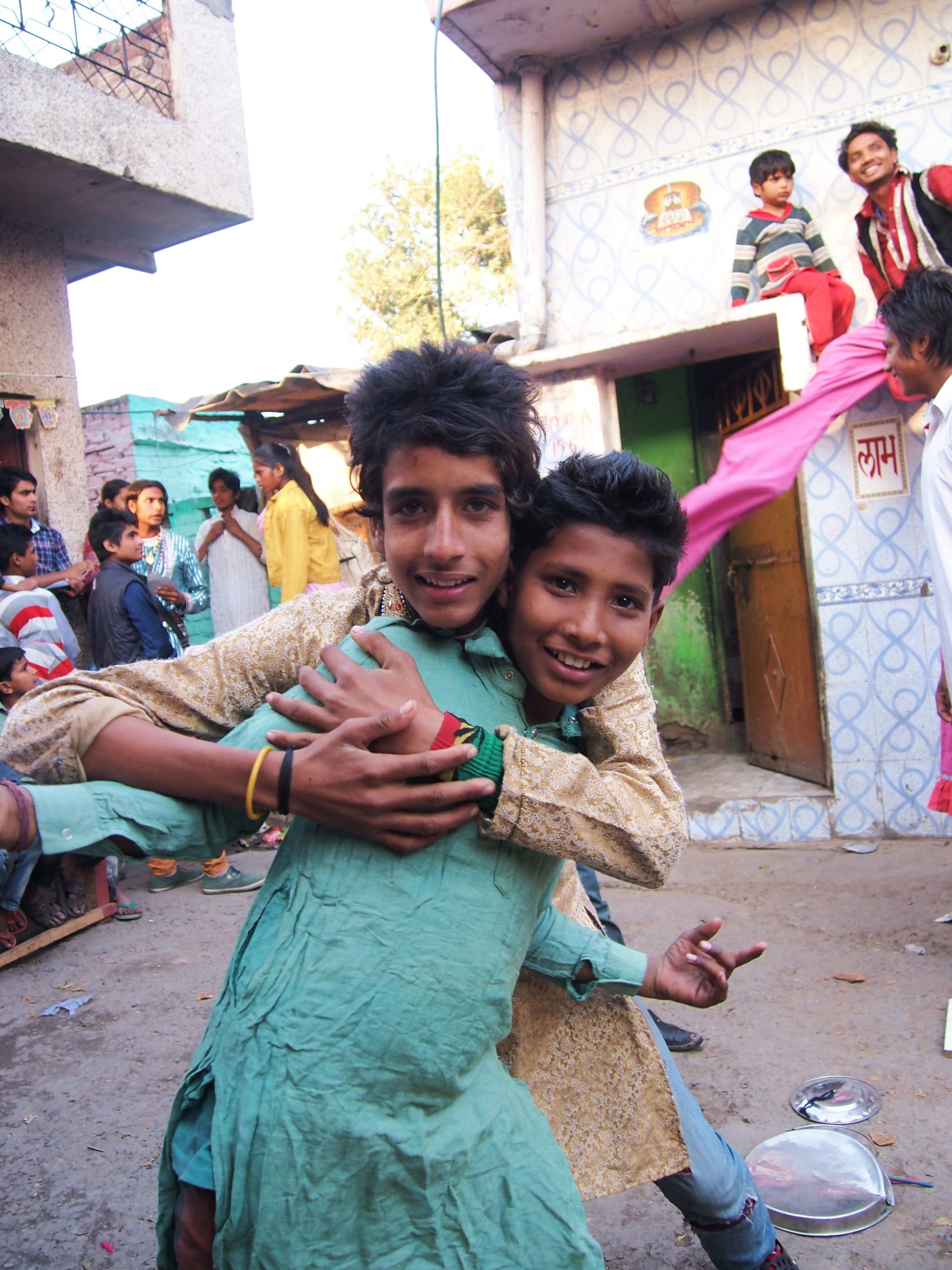
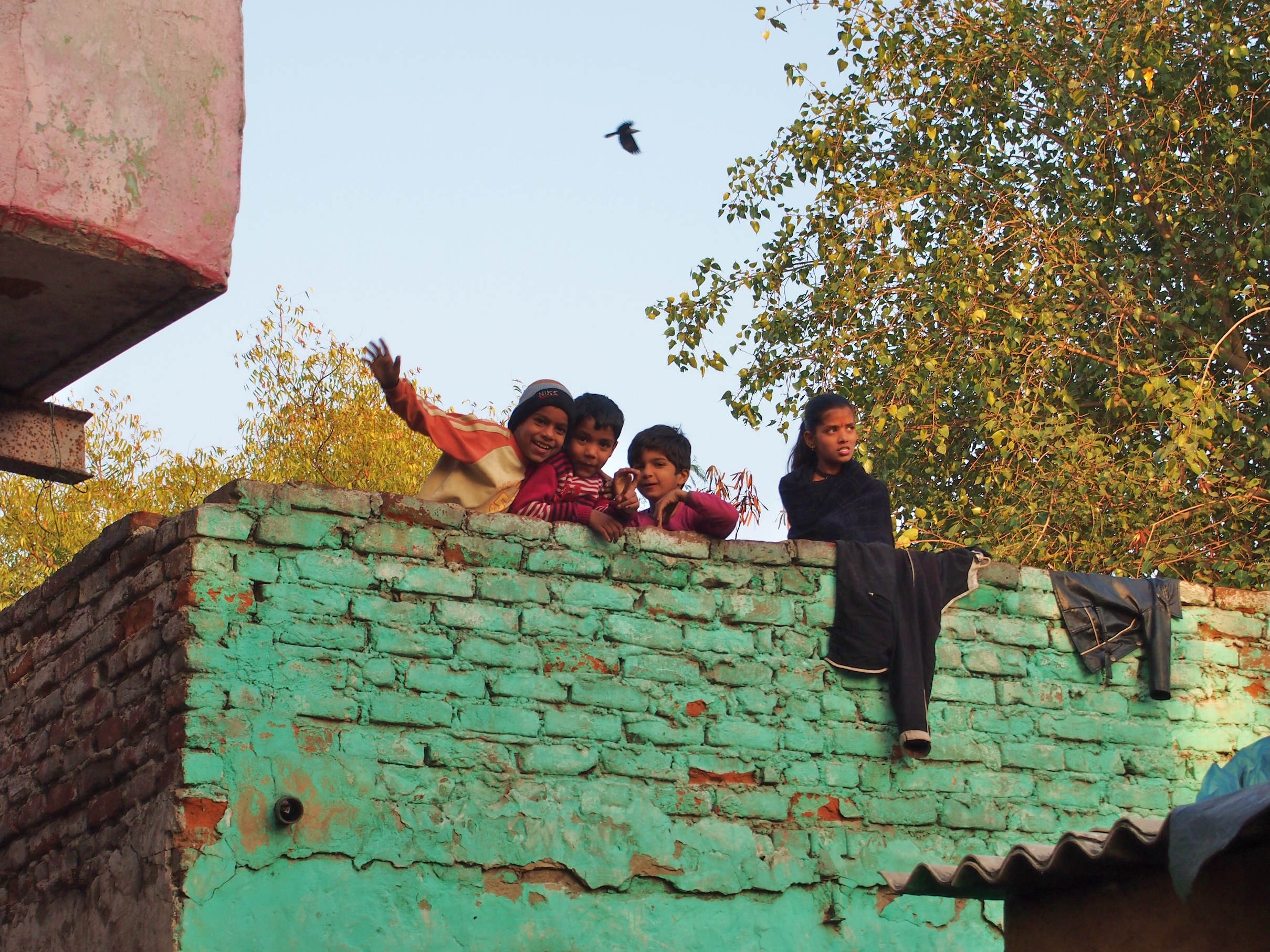
Kailash ran the House of Puppets from within the colony. He had mentioned over the phone that there would be a performance that afternoon, so we were not only welcomed by him but by much of his performing troupe — along with what seemed like half the children in the neighborhood, all eagerly awaiting the show. The House of Puppets taught children from the colony traditional puppetry, music and performance. Kailash explained that many of the residents were descended from travelling performers who had originally come from Rajasthan. As work became increasingly scarce in their villages, generations of performers had gradually settled in Delhi, making their living through performances at weddings, festivals, celebrations and other events.
When they first arrived more than half a century earlier, there was no vast settlement surrounding them. Over time, as migrants and labourers arrived in Delhi, this huge informal settlement grew up around them. What began as a community of travelling artists had become a remarkable cultural pocket within one of India’s largest slums.
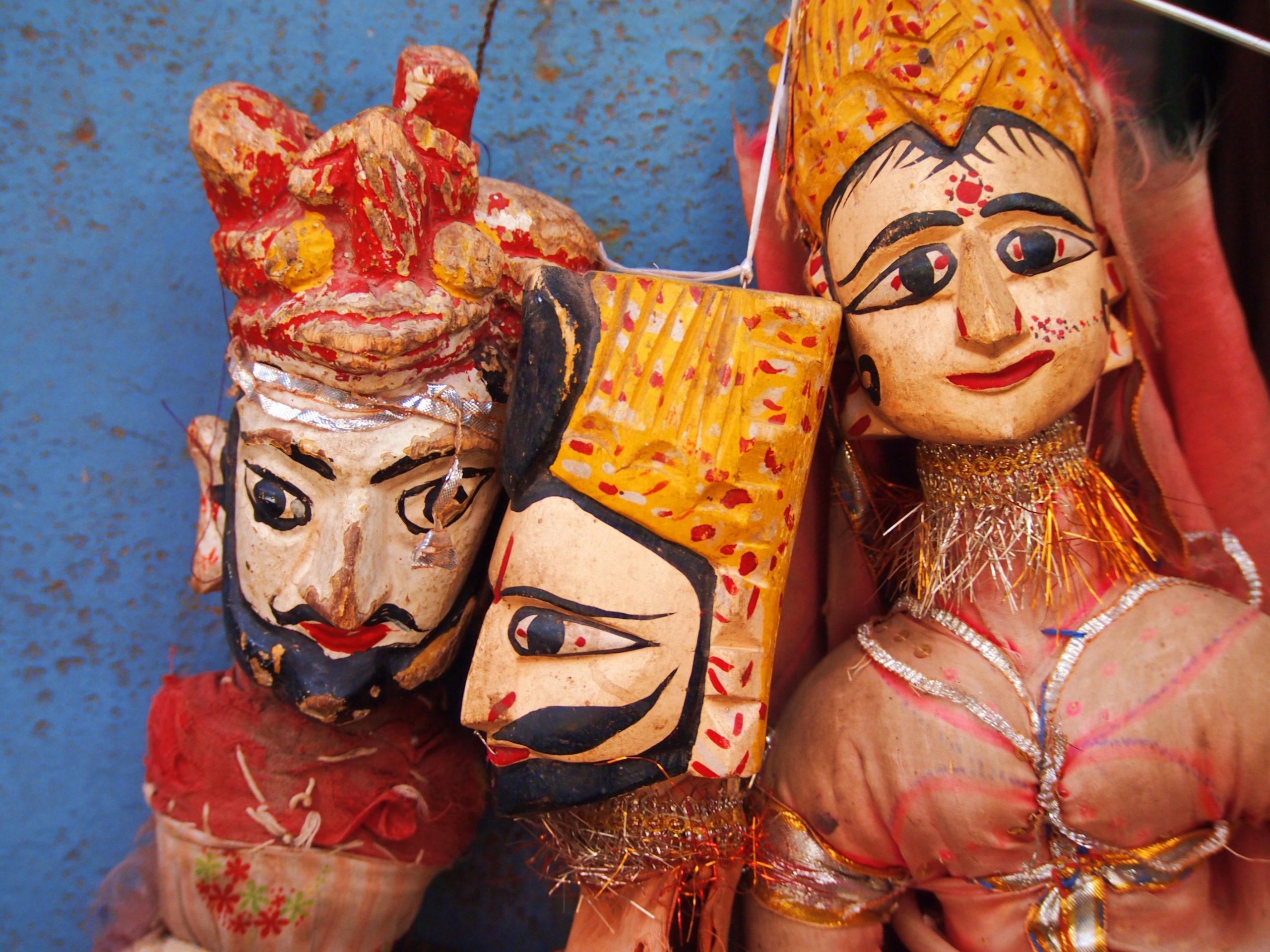
Generations of performers had continued to pass their knowledge from one generation to the next. In the middle of this enormous settlement lived puppeteers, magicians, musicians, dancers and acrobats — artists making a living from traditions that had travelled with their ancestors.What fascinated me most was that the puppets were not simply entertainment. Traditionally, Kathputli performances were also a way of communicating ideas, telling stories and commenting on the social problems of the time. Puppetry could educate as well as entertain, allowing difficult subjects to be explored through characters and stories. For Kailash, this social purpose remained essential. 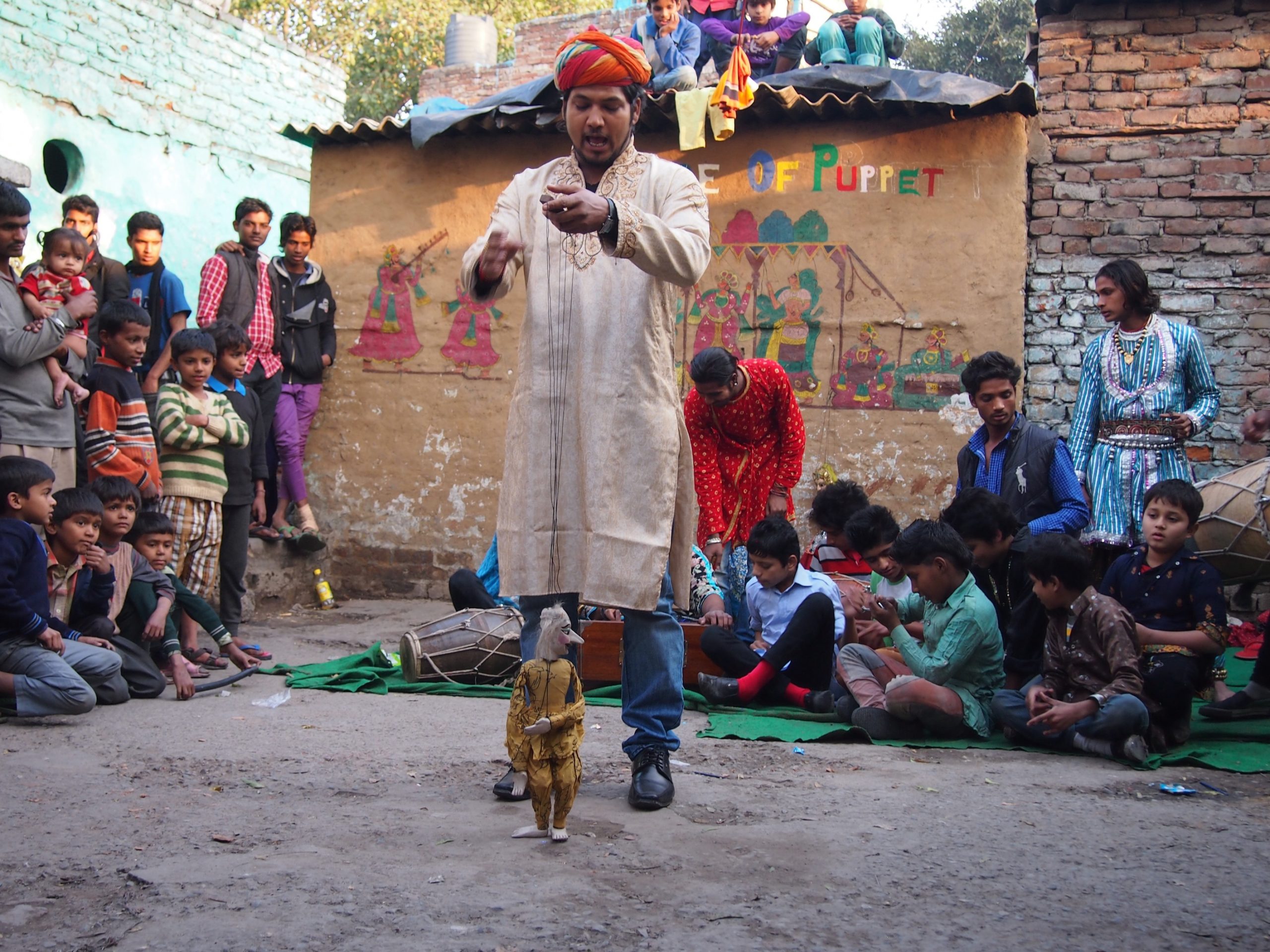
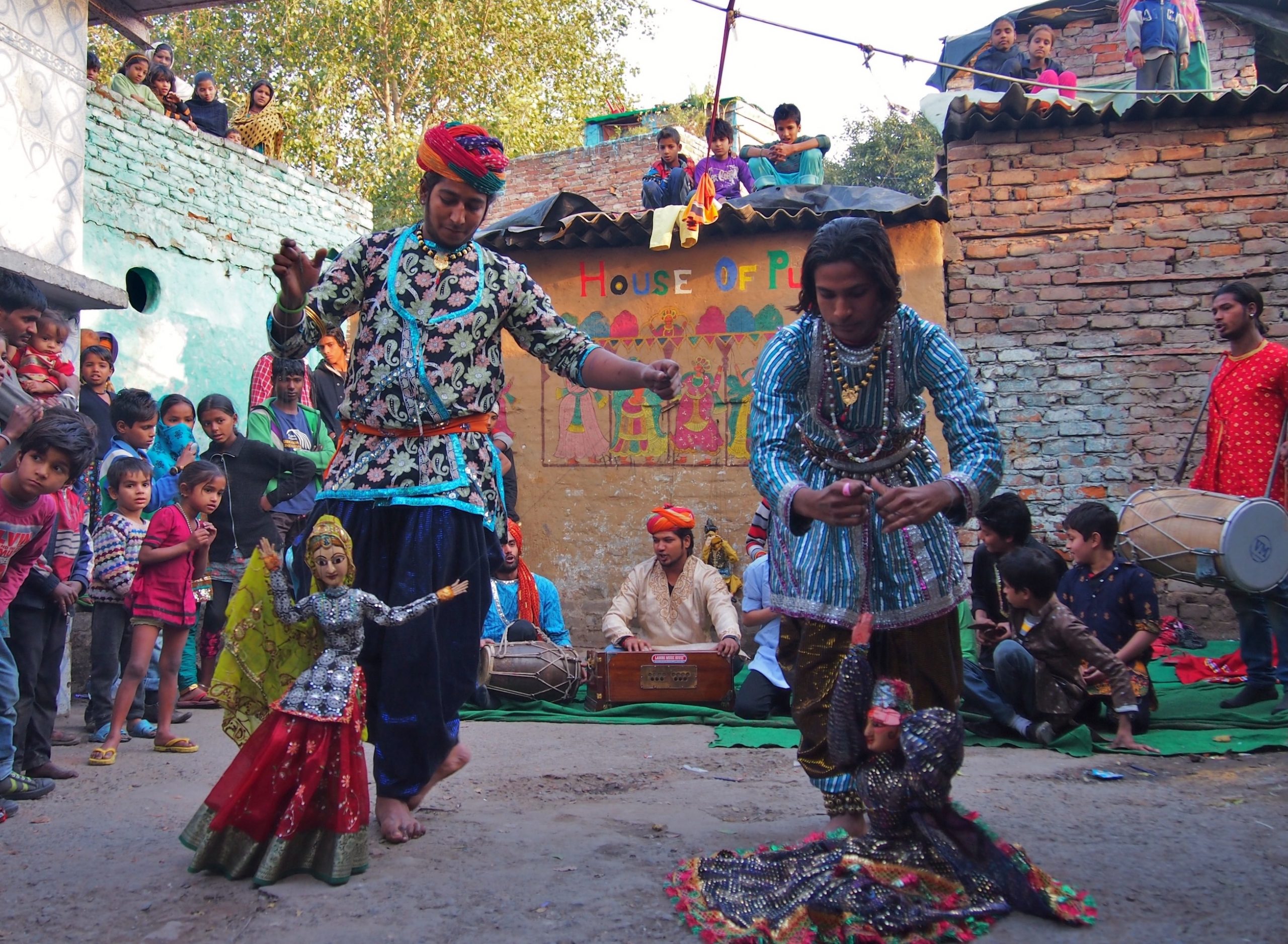
Through the House of Puppets, the puppets became a way of teaching children about their heritage while also addressing the realities of their lives. Health, education and the challenges of growing up surrounded by poverty and marginalization could all become part of the stories infused with aspects of Hip hop culture. An ancient art form was being adapted to speak to a new generation.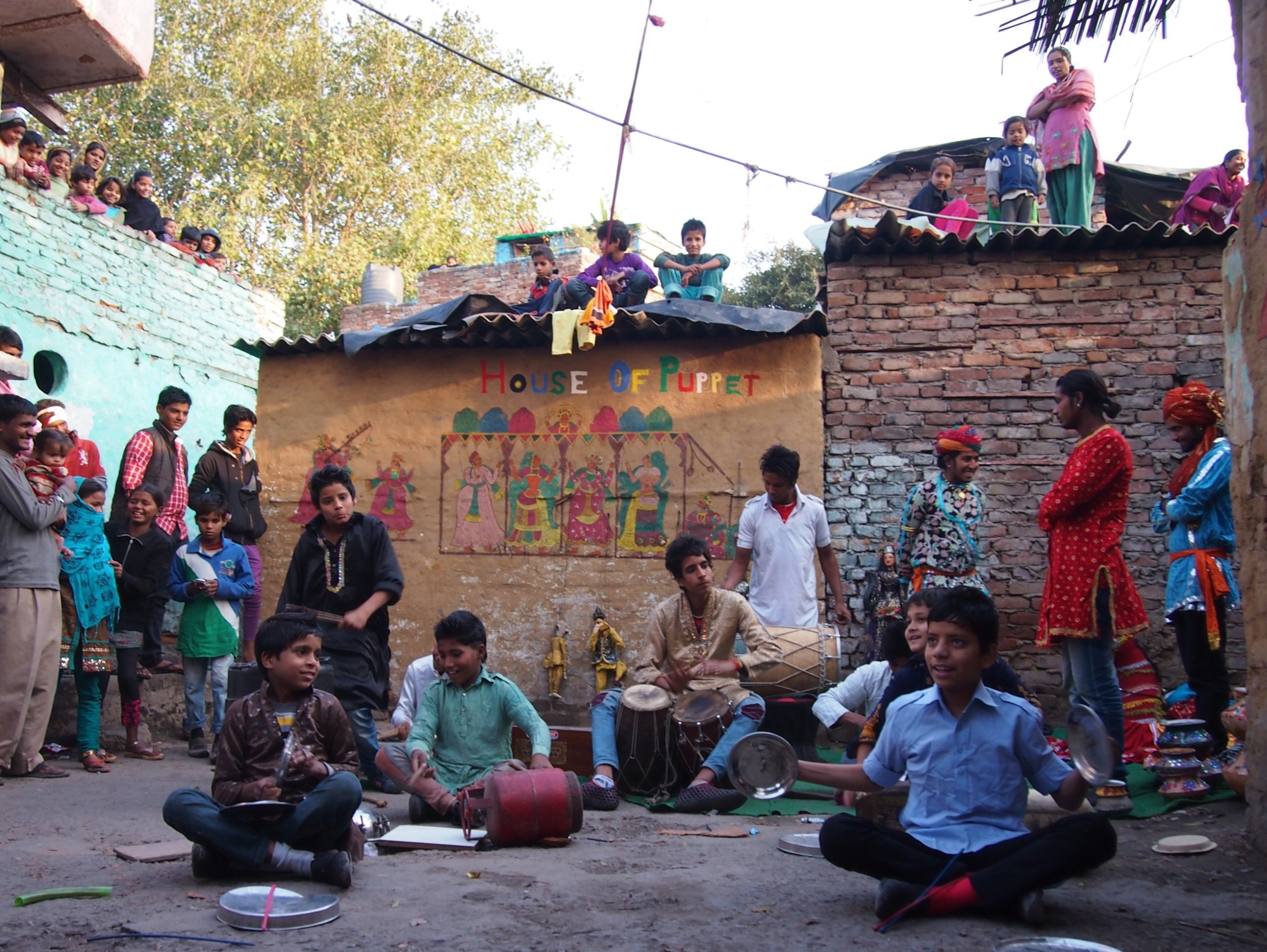
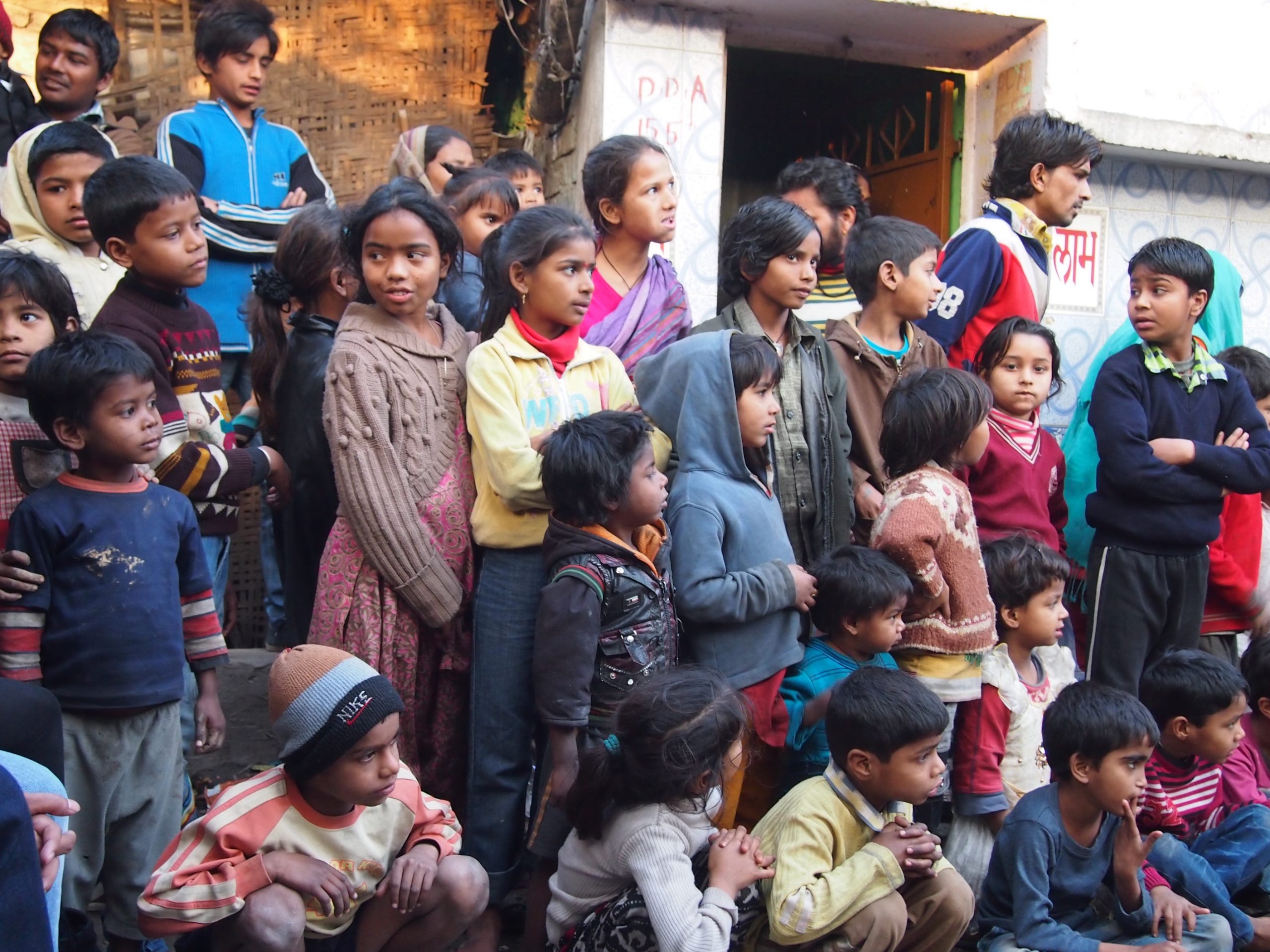
 And then there was the threat hanging over everything. Kathputli Colony had been selected for an urban redevelopment project, meaning that the community was facing eviction and relocation. The land was valuable, and the artists who had lived there for generations were being asked to leave the environment in which their livelihoods, networks and cultural traditions had developed.
For the performers, this wasn’t simply a question of losing their homes. Their art depended upon community, space, relationships and the ability to work together. Moving people into high-rise housing might provide new buildings, but it could not automatically recreate the conditions that had allowed this culture to survive.
This stayed with me.I had arrived in Delhi looking for art that belonged to its community, and I had found something far more profound than I expected: a living artistic tradition surviving in the middle of one of the city’s poorest settlements, carried from generation to generation by people who had very little material wealth but an extraordinary cultural inheritance.
It also made me think about my own practice.I’ve always been interested in art that belongs somewhere — art that comes from the stories, identities and experiences of the people who live alongside it. Whether through murals, workshops or community projects, I’ve never been particularly interested in simply placing an artwork onto a wall and walking away. The experience of Kathputli reinforced that conviction for me: art can be a way of carrying memory, transmitting knowledge, building confidence and giving people a voice.
In the midst of a vast and rapidly changing city, these artists were still making something beautiful from what they had. Their puppets were small, fragile things, but they carried generations of knowledge.
And perhaps that is why I remember Kathputli as a beacon of hope. Not because the future was certain, it wasn’t, but because, despite extreme poverty, displacement and the pressures of redevelopment, people were still making, teaching, performing and passing something ancient on.
They were making something beautiful out of the nothing they had and refusing to let their heritage fade.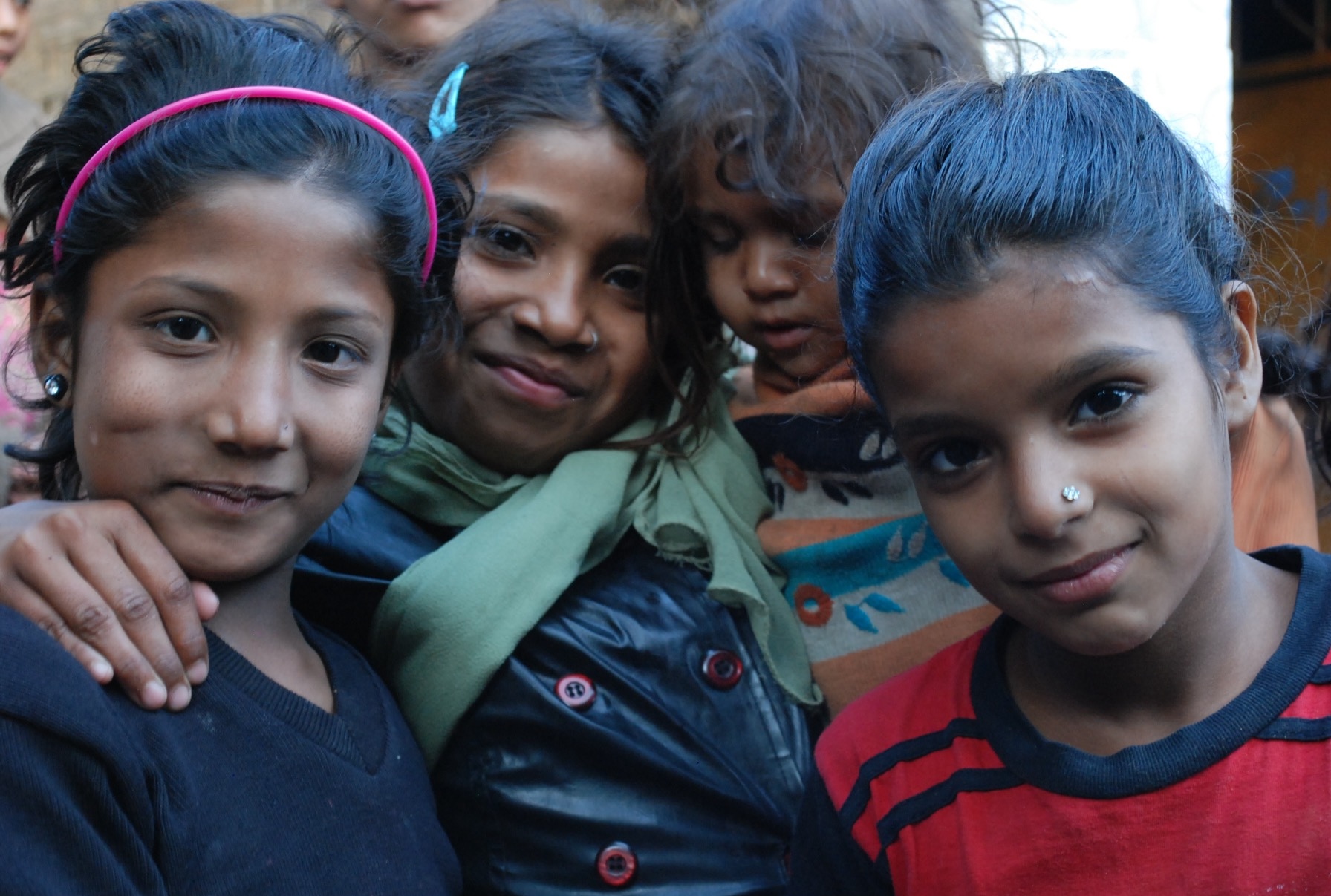
OLYMPUS DIGITAL CAMERA